
Introduction to Cactus as a Food Source
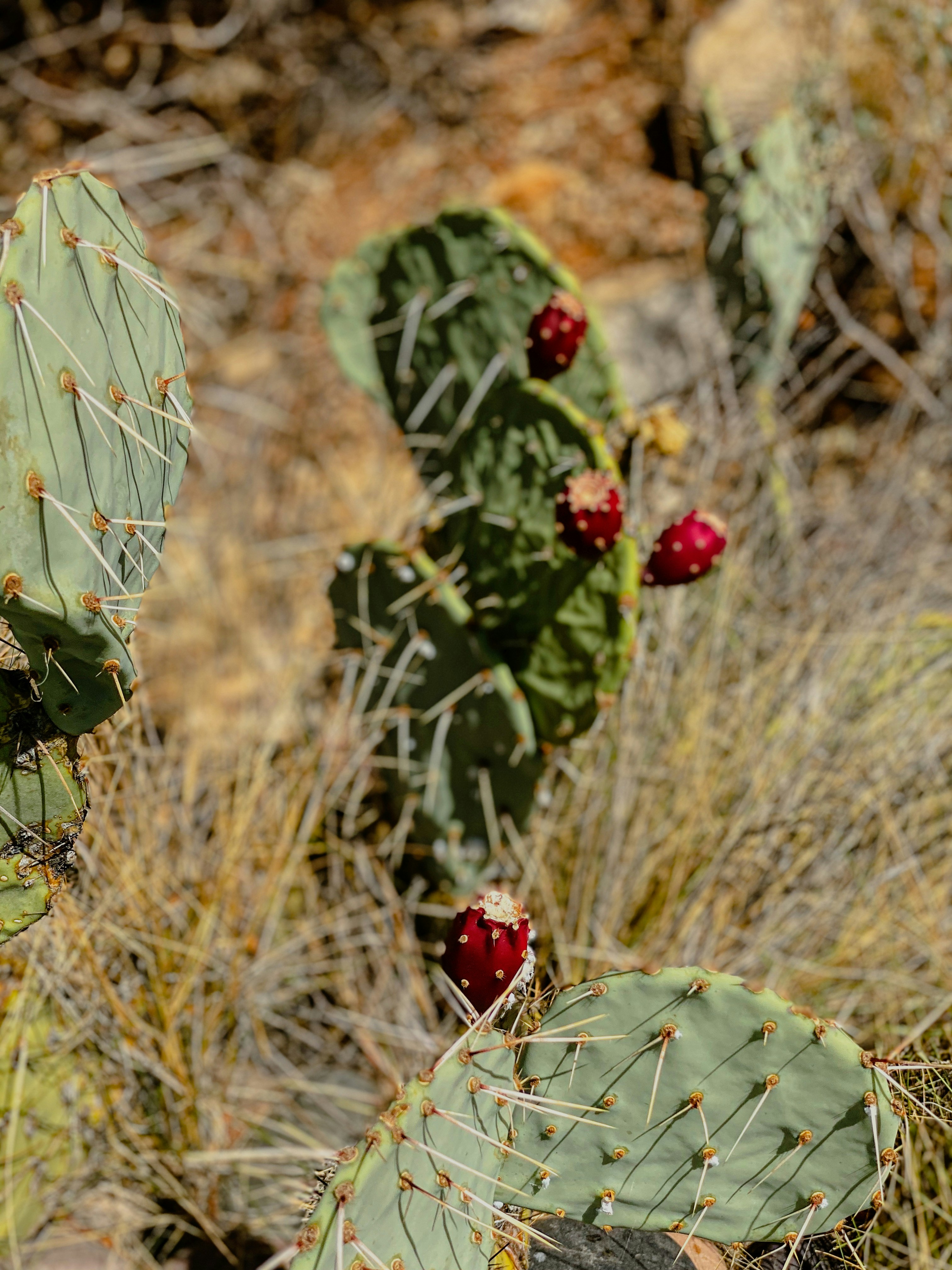
Cactus has long been an integral part of various cuisines, particularly in regions where it thrives, such as Mexico and parts of the Southwestern United States. Among the most popular edible varieties is the prickly pear, also known as nopal, which showcases the versatility and culinary potential of this nutrient-dense plant. Cactus is not only admired for its unique texture and flavor but also for its impressive nutritional profile, making it a viable option for individuals seeking healthier food alternatives.
The prickly pear cactus offers both edible pads and vibrant fruit. The pads, known as nopales, are often used fresh in salads or cooked in various dishes, providing a slightly tangy taste and a crunchy texture that complements many meals. The fruit, characterized by its sweet and juicy flesh, is typically harvested when fully ripened and can be enjoyed raw, blended into smoothies, or transformed into delicious syrups and jams.
Nutritionally, cactus is a powerhouse. It is low in calories yet high in dietary fiber, which aids in digestion and helps maintain a feeling of fullness, assisting those looking to manage their weight. Furthermore, cactus is rich in antioxidants, particularly betalains, which have been linked to reduced inflammation and improved overall health. Its high vitamin C content boosts the immune system, while minerals like magnesium and potassium support various bodily functions.
The use of cactus in culinary traditions can be seen in a myriad of ways, from traditional dishes such as tacos de nopal to inventive modern recipes that fuse this unique ingredient with contemporary flavors. This section serves to highlight the importance of incorporating cactus into the diet, not just for its health benefits but also for its culinary adaptability. Thus, the inclusion of cactus offers an exciting opportunity for both nutrition and gastronomy.
Nutritional Benefits of Cactus
Cactus, particularly the prickly pear variety, is a nutrient-rich plant that offers an array of health benefits. Its unique composition makes it a valuable addition to one’s diet. Rich in vitamins and minerals, cactus is an excellent source of vitamin C, which is crucial for boosting the immune system and promoting healthy skin. In addition to vitamin C, cactus contains several B vitamins, including B1 (thiamine), B3 (niacin), and B6 (pyridoxine), each playing a vital role in energy metabolism and overall health.
Furthermore, the mineral content in cactus is impressive. It is a good source of magnesium, a mineral important for muscle function, nerve function, and maintaining a healthy heartbeat. Additionally, cactus is rich in calcium and potassium, essential for bone health and blood pressure regulation. The presence of these vital nutrients contributes significantly to health maintenance and disease prevention.

Another notable aspect of cactus is its high fiber content. Dietary fiber is crucial for digestive health as it aids in regular bowel movements and helps maintain gut health. The soluble fiber found in cactus can help lower cholesterol levels and control blood sugar spikes, making it beneficial for those managing diabetes. The fiber content also enhances satiety, assisting in weight management by promoting feelings of fullness after meals.
Moreover, cactus is packed with antioxidants, which help combat oxidative stress in the body. These antioxidants, such as betalains and flavonoids, have anti-inflammatory properties that can contribute to overall well-being. By reducing inflammation, the consumption of cactus may lower the risk of chronic diseases, including heart disease and certain cancers.
Incorporating cactus into your diet not only diversifies your meals but also enriches them with these numerous health benefits. Embracing this nutrient-dense plant can play a significant role in enhancing your overall health.
Preparing Cactus: Tips and Techniques
Incorporating cactus into your diet begins with proper preparation, which ensures that you enjoy its unique flavors and nutritional benefits. Whether you are working with cactus pads, known as nopales, or the fruit, known as prickly pear, several essential steps must be followed for optimal results.
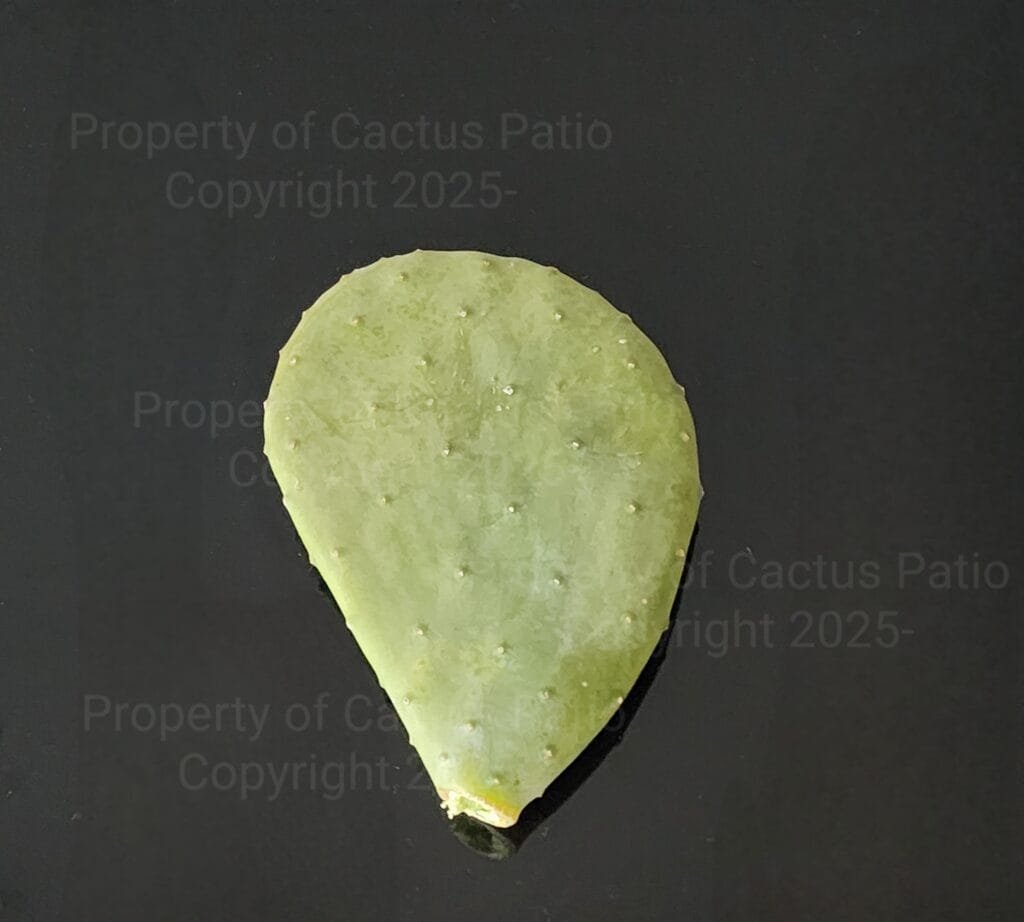
Begin by selecting your cactus. When choosing cactus pads, look for bright green, firm pads without any blemishes. If you’re opting for prickly pear, choose plump and unblemished fruits. Before handling, ensure you have appropriate tools such as gloves and a sharp knife to ensure safety and efficiency.
Cleaning cactus pads is a crucial first step. Rinse the pads under cold water to remove any dust or debris. Next, use a vegetable brush to scrub off any dirt. To avoid injury from spines, it is advisable to wear gloves when handling fresh cactus. Once clean, prepare to remove the spines: with a sharp knife, carefully run the blade along the edges of the pads, scraping off the thorns while holding the pad securely. It may be beneficial to use tongs or a fork to grip while you peel to avoid any direct contact.
After the spines are removed, the pads can be peeled if desired, although the skin is edible. To cook cactus pads, chop them into strips or cubes, depending on your recipe. Boiling or grilling are popular cooking methods: boil the cactus for around 10 minutes until tender or grill for a smoky flavor. For prickly pears, rinse the fruit and slice off both ends, using a knife to carefully peel the skin away, revealing the vibrant flesh inside.
By utilizing these tips and techniques, you can safely prepare cactus for a variety of dishes, expanding your culinary horizons with this nutrient-rich plant.

Adding Cactus to Salads and Fresh Dishes
Cactus, especially the prickly pear variety, is an innovative addition to salads and fresh dishes, offering a delightful texture and a subtle, refreshing flavor. Incorporating cactus into your culinary repertoire not only enhances the presentation of your meals but also boosts their nutritional value. One popular way to enjoy this unique ingredient is through a cactus salad. To prepare a simple cactus salad, start by finely dicing fresh cactus paddle, or “nopales.” Rinse them under cold water to remove any sap, then cook briefly in boiling water until tender, about 5-7 minutes. Once cooked, drain and chop the cactus into bite-sized pieces.
Combine the cactus with diced tomatoes, red onions, cilantro, and a squeeze of lime juice to enhance the flavors. Season with salt and pepper to taste. This colorful and vibrant salad can serve as a refreshing side dish or a light main course, easily adaptable to include other vegetables like bell peppers or corn for added texture and flavor.
Another creative use for cactus is in pico de gallo, a classic Mexican salsa. To make cactus pico de gallo, mix finely chopped cactus with diced tomatoes, onions, jalapeños, and fresh cilantro. Season with lime juice, salt, and a pinch of black pepper for a flavorful twist. This dish works well as a topping for tacos or a dip for tortilla chips, adding zest and freshness to your meal.
If you are looking for a more portable option, consider preparing fresh wraps. Use large leaves of lettuce or whole grain tortillas as a base and fill them with a mixture featuring diced cactus, avocado, grilled chicken, or roasted vegetables. Add a light dressing of yogurt or hummus for a creamy finish. These wraps make a nutritious lunch or snack that highlights the delightful flavor of cactus while ensuring a satisfying and healthy meal.
Cactus in Salsas and Dips
Incorporating cactus into salsas and dips offers an innovative way to enhance both the flavor and nutritional profile of your favorite recipes. Cactus, or nopales as it is commonly known, adds a unique texture and mild taste that complements a variety of ingredients, making it an excellent option for creating distinctive condiments.
One popular preparation is cactus salsa. To create this fresh and vibrant dish, begin by preparing the cactus pads; remove the spines, then dice them into small pieces. Next, combine the cactus with diced tomatoes, onion, cilantro, lime juice, and a pinch of salt. The resultant salsa not only boasts vibrant flavors but also enriches your meal with dietary fiber, antioxidants, and essential vitamins. This cactus salsa can be served alongside tortilla chips, acting as a refreshing dip, or used as a topping for grilled meats, enhancing both taste and nutrition.
Another delightful way to incorporate cactus is through a creamy cactus dip. To prepare this, blend cooked and chopped nopales with cream cheese, garlic powder, and lime juice until smooth. This dip provides a rich and tangy flavor that pairs well with fresh vegetable sticks or crispy crackers. The creamy texture achieves a harmonious balance with the slight chewiness of the cactus, creating an enjoyable snacking experience.
When exploring ways to integrate cactus into your salsas and dips, consider adding complementary ingredients such as black beans, corn, or bell peppers for added color, texture, and nutrition. Furthermore, using cactus in these preparations not only elevates taste but also introduces diverse nutrients, affirming the plant’s status as a healthy addition to any meal. Embracing cactus thus opens a pathway to a more nutritious culinary experience, suitable for various occasions.
Cooking Cactus in Main Dishes
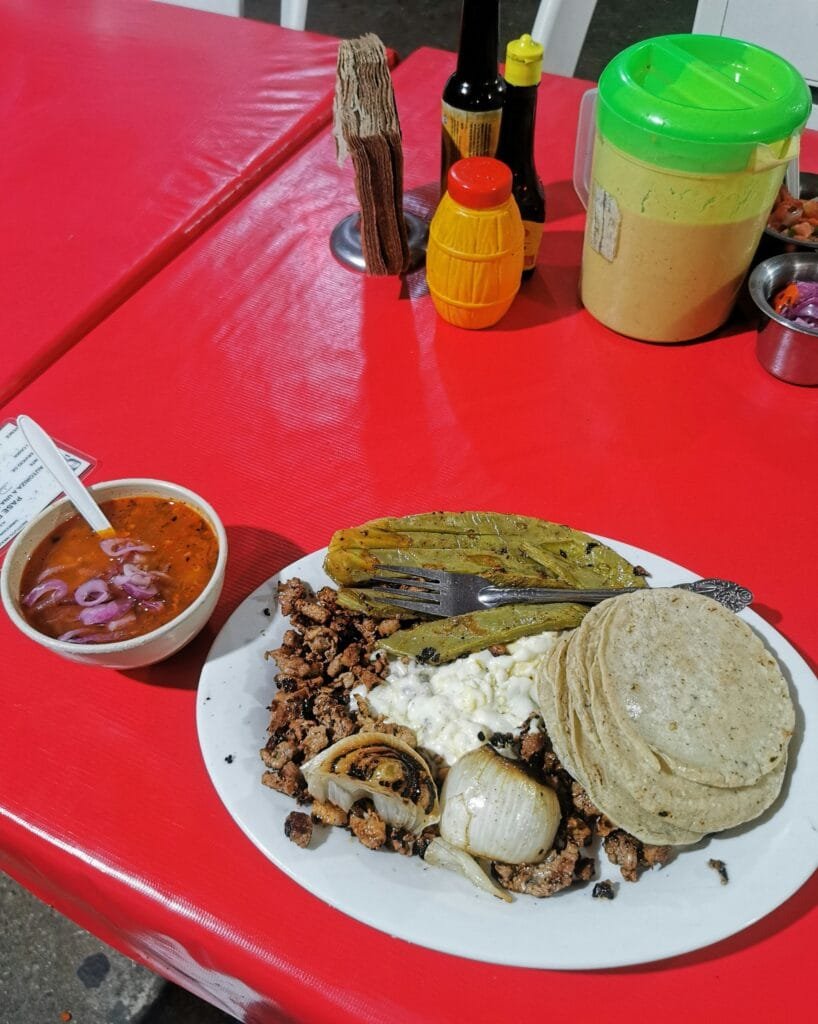
Cactus, particularly Nopales, is a versatile ingredient that can enhance numerous main dishes while providing various health benefits. Incorporating this nutrient-rich plant into your meals not only elevates texture and flavor but also adds fiber, vitamins, and antioxidants to your diet. Here are some creative ways to enjoy cactus as a main course.
One of the most popular methods of preparing cactus is in tacos. To make cactus tacos, begin by lightly grilling or sautéing chopped Nopales until tender. You may want to season the cactus with salt, pepper, and cumin to enrich its flavor profile. Serve the cactus mixture in warm corn tortillas, topped with fresh cilantro, diced onions, and a squeeze of lime juice. For an added kick, include your favorite salsa or hot sauce. These tacos will not only delight your taste buds but also provide a refreshing dietary option.
Another delectable way to cook cactus is in stir-fries. Combine slices of Nopales with a medley of colorful vegetables such as bell peppers, onions, and zucchini. Stir-frying these ingredients allows the cactus to retain its crisp texture while absorbing the flavors from the other vegetables. A splash of soy sauce, garlic, and a hint of ginger will create a savory stir-fry that can be served over rice or quinoa, offering a satisfying and healthful meal.
For a heartier option, consider crafting a cactus and bean stew. Begin with sautéing onions and garlic, then add chopped Nopales along with black beans or pinto beans, tomatoes, and spices like chili powder and oregano. Allow the stew to simmer, letting the flavors meld together for at least 30 minutes. This flavorful dish can be accompanied by warm bread or rice, making it a nourishing and fulfilling choice.
These methods demonstrate how cactus can be utilized creatively in various main dishes. By experimenting with cooking techniques and flavor pairings, it is easy to incorporate this unique ingredient into your culinary repertoire.
Cactus Smoothies and Beverages
Cactus, particularly the prickly pear variety, is gaining popularity as an ingredient in smoothies and beverages due to its numerous health benefits and unique flavors. Incorporating cactus into your diet can be as simple as blending it into your favorite drinks, offering a refreshing twist while adding essential nutrients. Here are a few enticing recipes to consider.
One of the most celebrated options is the prickly pear juice, known for its vibrant pink color and sweet taste. To create this delightful beverage, peel the prickly pear, remove the seeds, and blend the flesh until smooth. Strain the juice through a fine mesh sieve to eliminate any pulp. For added flavors, mix in a splash of lime juice and a hint of agave syrup. This beverage is rich in antioxidants, vitamins C and E, making it a fantastic choice for hydration and boosting your immune system.
Cactus smoothie bowls are another creative way to enjoy this nutrient-rich plant. Start with a base of frozen bananas, spinach, and a few slices of cactus paddle. Blend these ingredients with a splash of almond milk until creamy. Pour the mixture into a bowl and top it with your favorite fruits, granola, and nuts. This combination not only provides a visually appealing breakfast but also packs a nutritional punch, offering fiber, healthy fats, and protein.
Herbal infusions incorporating cactus are also on the rise. Steep dried cactus flowers or leaves in boiling water for a soothing beverage. This infusion can be enjoyed hot or iced and serves as a rich source of hydration, vitamins, and minerals. To enhance the flavor profile, consider adding a hint of honey or lemon juice, or even combining it with other herbal ingredients like hibiscus or chamomile.
Incorporating cactus into your smoothies and beverages transforms ordinary drinks into nutrient-packed concoctions. These recipes allow for creative exploration while reaping the health benefits of this exceptional plant. Start experimenting with cactus to discover how it can elevate your drink options.
Cactus Desserts: Sweet Treats and Ideas
Incorporating cactus into your culinary repertoire can yield innovative and delicious desserts, offering a unique twist to classic sweet treats. The prickly pear, a popular cactus variety, is known for its vibrant color and mildly sweet flavor, making it an excellent ingredient for various desserts. One such delightful creation is cactus jelly, which can be made by cooking prickly pear fruit with sugar and pectin. This jelly boasts a striking magenta hue and a sweet-tart flavor that can elevate toast, pastries, or even cheesecakes.
Another refreshing dessert option is prickly pear sorbet. This frozen treat captures the essence of summer, providing a light and airy indulgence. To prepare it, simply blend fresh prickly pear pulp with a bit of sugar and lemon juice until smooth, then freeze the mixture. The result is a sorbet that combines the sweet taste of the cactus with a hint of citrus, perfect for a warm day or as a palate cleanser between courses.
For a more playful dessert, consider making sweet cactus popsicles. Blend ripe prickly pear along with coconut water and a touch of honey, then pour the mixture into popsicle molds. Freeze until solid for a refreshing, nutrient-rich snack that not only satisfies sweet cravings but also keeps you hydrated. Incorporating cactus into these sweet treats showcases the versatility of this nutrient-rich plant, inviting more people to experiment with its culinary potential.
These dessert ideas highlight that cactus is not merely a savory ingredient; it can fulfill a role in sweet preparations as well. Whether trying cactus jelly on a biscuit or savoring a prickly pear sorbet, exploring these sweet options invites a palate-pleasing experience that encourages diverse dietary habits.
Conclusion: Embrace Cactus in Your Diet
Incorporating cactus into your diet offers a multitude of health benefits and culinary possibilities. This nutrient-rich plant is not just a vibrant addition to your meals; it also packs a powerful punch of vitamins, minerals, and antioxidants. The distinct texture and flavor of cactus lend themselves well to both savory and sweet dishes, making it a versatile ingredient suitable for a variety of cuisines.
As outlined throughout this blog post, there are numerous creative ways to enjoy cactus. From salads and salsas to smoothies and desserts, its adaptability allows for experimentation in the kitchen. The unique taste of cactus can enhance traditional dishes or inspire you to develop new recipes that cater to your dietary preferences. Furthermore, the incorporation of cactus can provide you with essential nutrients such as fiber, vitamin C, and magnesium, contributing to a balanced diet.
For those who seek to diversify their meals and explore unique flavors, cactus is a worthy ingredient to consider. Whether you choose to purchase fresh pads at your local grocery store or find canned versions for convenience, integrating cactus into your meals is both simple and enjoyable. As you incorporate this plant into your culinary repertoire, you will likely discover its ability to complement a wide range of ingredients, further enhancing your dining experiences.
Ultimately, embracing cactus is more than just a dietary choice; it is an opportunity to engage with a food that is steeped in cultural significance while simultaneously supporting your health. Therefore, we encourage you to explore the various ways to include cactus in your meals, fostering creativity in the kitchen and promoting a nutrient-rich diet.
Leave a Reply
You must be logged in to post a comment.