
Understanding Cactus Biology
Cacti, belonging to the family Cactaceae, are fascinating succulent plants known for their ability to thrive in arid environments. The unique biology of cacti is integral to their flowering process and fruit production. Understanding the anatomy of cacti, particularly the structures involved in reproduction, is crucial for anyone aiming to cultivate flowering specimens successfully.
The primary structure of interest in flowering cacti is the floral buds, which develop at specific times of the year, contingent upon the species and environmental conditions. These buds emerge from areoles, specialized structures from which spines and flowers arise. Each cactus species exhibits distinct flowering cycles; for example, some may only bloom during the warmer months while others may require specific temperature or light conditions to initiate flowering. Knowledge of these variances among species is essential for effective cultivation.
Cacti reproduce through both sexual and asexual means, with the former involving the production of flowers that contain reproductive organs. Male cacti produce pollen, while female cacti develop ovules. After successful pollination, these ovules can develop into fruits containing seeds. This reproductive process is facilitated by various pollinators, including insects and birds, which are attracted to the flowers by their vibrant colors and scents.
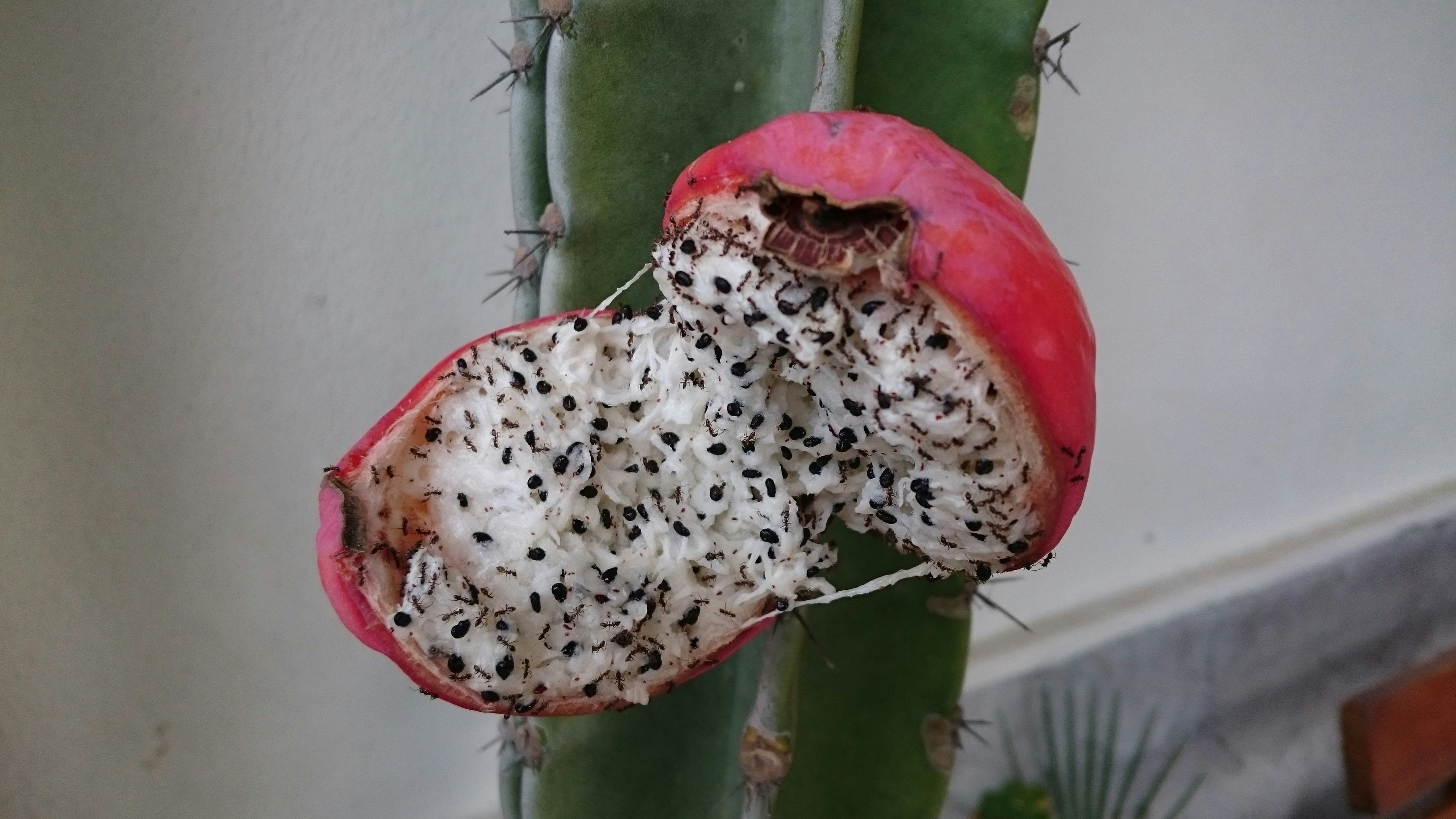
The fruit produced by cacti is often fleshy and contains multiple seeds, which can lead to further propagation of the species. Some cacti, like the Opuntia, produce edible fruit that is not only appealing to wildlife but also enjoyed by humans. Understanding these biological aspects, along with the environmental needs of each species, enhances the chances of successfully cultivating flowering and fruiting cacti.
Environmental Conditions for Flowering
To ensure successful flowering of cacti, it is essential to provide a conducive environment that mimics their natural habitat. One of the primary factors is light exposure. Cacti thrive in bright sunlight; therefore, ensuring they receive at least six hours of direct sunlight daily is crucial for optimal growth and flowering. Insufficient light can lead to sparse and leggy growth, ultimately impacting the plant’s ability to produce blooms.
Temperature ranges also play a significant role in the flowering process of cacti. Most cacti prefer warmer temperatures, ideally ranging from 70°F to 95°F (21°C to 35°C) during the day, followed by cooler nights that dip into the range of 50°F to 60°F (10°C to 15°C). These temperature fluctuations help mimic their native desert environments, wherein nights are cooler, stimulating the cactus to prepare for flowering.
Water requirements must also be carefully managed. Cacti should be watered sparingly, allowing the soil to dry out completely between waterings. Overwatering can lead to root rot and hinder blooming significantly. During the growing season, typically spring and summer, cacti can benefit from increased watering but should still be monitored closely.
Humidity levels are another critical aspect that affects cactus flowering. Most cacti prefer dry environments and thrive in lower humidity levels. However, during the flowering period, a slight increase in humidity may be beneficial to help maintain plant health. Seasonal changes are significant as well; many species require a period of dormancy in cooler months, during which time they need less water and limited exposure to light to prepare for the upcoming blooming season.
The Importance of Proper Soil and Potting
A critical aspect of cultivating cacti that bloom and produce fruit lies in understanding the importance of proper soil composition and effective potting techniques. Cacti, being desert plants, thrive in specific soil conditions that mimic their natural habitats. Ideal soil for cacti is typically gritty, well-draining, and contains a blend of coarse sand, perlite, or pumice with a base of potting soil. This unique composition allows for adequate drainage, preventing water retention that could lead to root rot, a common issue that impedes cactus growth and flowering.
When selecting soil, it is essential to look for products specifically formulated for cacti and succulents. These commercial soil mixes are designed with the right balance of organic and inorganic materials to support the hearty nature of cacti. Alternatively, gardeners can create their own blends to ensure optimal drainage and aeration. A recommended mixture consists of equal parts potting soil, coarse sand, and perlite.
In addition to soil, pot selection is equally important. Cacti require pots with drainage holes that allow excess moisture to escape. Terracotta pots are an excellent choice due to their porous nature, which helps regulate moisture levels within the potting media. When potting, it is vital to ensure that the pot size is appropriate; too large a pot can retain excessive moisture, while a pot that is too small can restrict root growth. Generally, a pot that is just slightly larger than the existing root ball allows for proper development.
In conclusion, by focusing on the right soil composition and employing suitable potting practices, cactus enthusiasts can significantly enhance the chances of their plants flowering and producing fruit. Proper attention to these components creates a favorable environment, allowing these resilient plants to thrive and display their natural beauty.
Watering Techniques to Encourage Blooming
Watering is a critical aspect in the care of cacti, particularly when the goal is to stimulate blooming and subsequent fruit production. Understanding the specific watering needs of cacti can significantly enhance their chances of flowering. Generally, cacti require less water than many other plants, but the amount and frequency can vary dramatically based on their growth phases.
During the active growth phase, typically in the spring and summer months, cacti should be watered more frequently. A good rule of thumb is to allow the soil to dry out completely between watering sessions. Depending on environmental conditions, this may mean watering every two to four weeks. Ensure that the pot has drainage holes, as stagnant water can lead to root rot and hinder blooming.
As autumn approaches, watering should be reduced, and even less frequent watering is advisable during the dormancy period in winter. Over-watering during these cooler months can be particularly detrimental, leading to stress that may inhibit flowering. Signs of over-watering include yellowing of the cactus skin, mushy or squishy areas, and root rot. Conversely, signs of under-watering may include wilting, shriveling, and a lack of new growth.
To promote healthy blooming, consider the temperature and humidity levels of your cactus’s environment when determining a watering schedule. Incorporating a balanced fertilizer annually, during the growing season, can complement proper watering techniques, providing essential nutrients that foster blooms. By adhering to these best practices, you can ensure your cactus is well-prepared to produce vibrant flowers and, subsequently, fruit.
Fertilization Strategies for Optimal Growth
To promote optimal growth and encourage flowering in cacti, it is essential to implement effective fertilization strategies. Cacti, being specialized plants adapted to arid environments, have unique nutritional needs that play a critical role in their overall health and flowering potential. Using the right type of fertilizer can significantly enhance growth and flowering.
One of the most popular fertilizer options for cacti is a balanced fertilizer with a ratio of 10-10-10 or 20-20-20. These balanced formulas provide equal amounts of nitrogen, phosphorus, and potassium, essential macronutrients necessary for plant growth. Additionally, a fertilizer higher in phosphorus, such as a 5-10-5 or 10-20-20, can be particularly beneficial during the flowering stage, as phosphorus aids in root development and supports flower production.
Timing is crucial when applying fertilizers. The best period to fertilize cacti is during their growing season, typically in the spring and summer months. It is recommended to fertilize every four to six weeks during this growth phase, ensuring that the nutrients are available when the plant is actively developing. Additionally, it is advisable to reduce fertilization as the growing season ends, allowing the plant to prepare for dormancy in the late fall and winter months.
When applying fertilizer, it is important to dilute the solution to prevent root burn, which can be detrimental to cacti. A half-strength solution is often effective and safe for most varieties. It is also beneficial to water the cactus thoroughly before fertilizing, helping to distribute the nutrients evenly and encourage absorption. Applying fertilizers during the early morning can help maximize nutrient uptake and reduce evaporation losses.
Pruning and Maintenance Practices
Pruning is a critical aspect of cactus cultivation that significantly influences the plant’s overall health, flowering potential, and fruit production. By regularly removing dead, damaged, or unhealthy segments, you can facilitate better air circulation and light penetration, which are essential for the flowering process. It is advisable to inspect your cactus at least once a year, ideally during its dormant season, which typically occurs in late winter or early spring, to perform pruning. This timing allows the cactus to heal effectively and prepare for new growth in the warmer months.
When pruning your cactus, always use sterilized tools such as sharp scissors or pruning shears. This practice minimizes the risk of transmitting pathogens that could harm the plant. It is essential to remove any segments that show signs of rot, discoloration, or pest damage. Additionally, trimming excessively long or crowded stems can encourage the plant to redirect its energy towards healthier growth and reproductive activity.
Beyond pruning, general maintenance practices are equally important for fostering a flourishing cactus. Regularly monitoring the soil moisture is crucial; overwatering should be avoided, as it can lead to root rot, while underwatering can stress the plant and inhibit blooming. Providing adequate sunlight is another key factor, as most cacti require at least six hours of bright, indirect light daily. Fertilization should also be considered, with a focus on a low-nitrogen fertilizer designed for cacti, which can enhance blooming capacity when applied during the growing season. Adopting these pruning and maintenance practices will not only enhance the health of your cactus but also significantly boost its chances of flowering and producing fruit.
Pest Management for Flowering Success
Effective pest management is critical for the health of cacti and their ability to produce flowers and fruit. Various pests can affect these succulent plants, including aphids, mealybugs, spider mites, and scale insects. Each of these pests can compromise the plant’s vigor, leading to poor bloom quality and reduced fruit production. For instance, aphids can sap the nutrients from the cactus, while spider mites can create webs that entangle young flowers, inhibiting proper growth.
Preventing pest infestations begins with maintaining optimal growing conditions. Healthy cacti are less susceptible to pests. Ensure that your plants are well-watered but not overwatered, and provide adequate sunlight and proper drainage. A clean growing environment is equally important; regularly inspect your cacti for signs of pests and ensure that the surrounding area is free of debris and dead plant matter that could harbor pests.
In case an infestation occurs, there are safe pest control remedies available. One effective method is to use insecticidal soap, which disrupts the life cycles of common pests without harming the plant. Alternatively, introducing natural predators like ladybugs can help manage pest populations. Regularly spraying your cacti with a mixture of water and neem oil can also prevent future outbreaks of pests, as neem oil acts as a repellent and disrupts pest reproduction.
By combining good cultural practices with appropriate pest management strategies, you can create a thriving environment that encourages your cactus to flower abundantly. Regular monitoring for pests and taking prompt action when necessary will ensure that your cacti remain healthy, increasing the likelihood of successful flowering and fruit production.
Patience and Timing: Understanding Flowering Cycles
Growing cacti can be a rewarding endeavor, but one must recognize the significant patience required for these unique plants to flower. Cacti are often characterized by their resilience and ability to thrive in arid environments, yet the process of flowering can be slow and unpredictable. Understanding the typical flowering cycles for various cactus species can aid growers in managing their expectations and ultimately achieving blooming success.
Most cacti naturally bloom during the warmer months, typically late spring through early summer, when they receive adequate sunlight and warmth. Each cactus species presents its own flowering cycle; for instance, the iconic Saguaro cactus (Carnegiea gigantea) produces blossoms typically between April and June. In contrast, the Echinopsis species often flower in the evening, marking their blooming period with splendid nocturnal displays. Recognizing the seasonal patterns for your specific cactus is crucial for predicting when you can expect blooms.
Environmental conditions significantly influence flowering cycles. Factors such as temperature, light exposure, and watering practices need to align well for a cactus to initiate the blooming process effectively. Adequate sunlight is essential, as insufficient light can lead to sparse flowering or, in some cases, no blooms at all. Moreover, fluctuations in watering routines can also impact flowering; it is important to mimic the natural cycles of droughts and rains that cacti experience in the wild.
It is also critical to identify signs that a cactus may be preparing to flower. For example, before blooming, many species will exhibit the development of buds, which are often accompanied by changes in color or overall health. Monitoring these subtle changes closely can enhance one’s understanding of the flowering dynamics within your cacti collection.
Harvesting Fruit: When and How
Harvesting fruit from cactus plants requires attention to detail and timing to ensure the best quality produce. Identifying when the fruit is ripe is crucial. Generally, cactus fruit will change color, becoming more vibrant as it matures. For example, various types of prickly pear cacti will exhibit hues ranging from vivid red to deep purple, indicating readiness. Additionally, ripe fruit tends to feel slightly soft to the touch, though it should not be excessively squishy. Observing these visual and tactile cues will help in determining the optimal time for harvesting.
Timing your harvest is essential, as waiting too long can lead to overripe fruit that is susceptible to spoilage or attracting pests. It is advisable to check the plants frequently, particularly during the peak growing season, which varies depending on the cactus species and climate. Once the fruit has reached its desired color and texture, use a sharp knife or pruning shears to carefully cut the fruit from the cactus, ensuring that you avoid damaging the cactus and other developing fruit. Always wear gloves during this process to protect your hands from the spines.
After harvesting, proper handling is vital for preserving the quality and freshness of cactus fruit. Gently rinse the fruit with cold water to remove any dirt and debris. Store the harvested fruit in a cool, shaded area or within the refrigerator to maintain optimum freshness. It is also wise to consume or process the fruit within a few days of harvesting to ensure flavor and nutritional value. Cactus fruit can be used in various recipes or preserved in jams or jellies. Ultimately, with careful harvesting and attention to quality, one can enjoy the delightful flavors and benefits of cactus fruit.
Leave a Reply
You must be logged in to post a comment.