
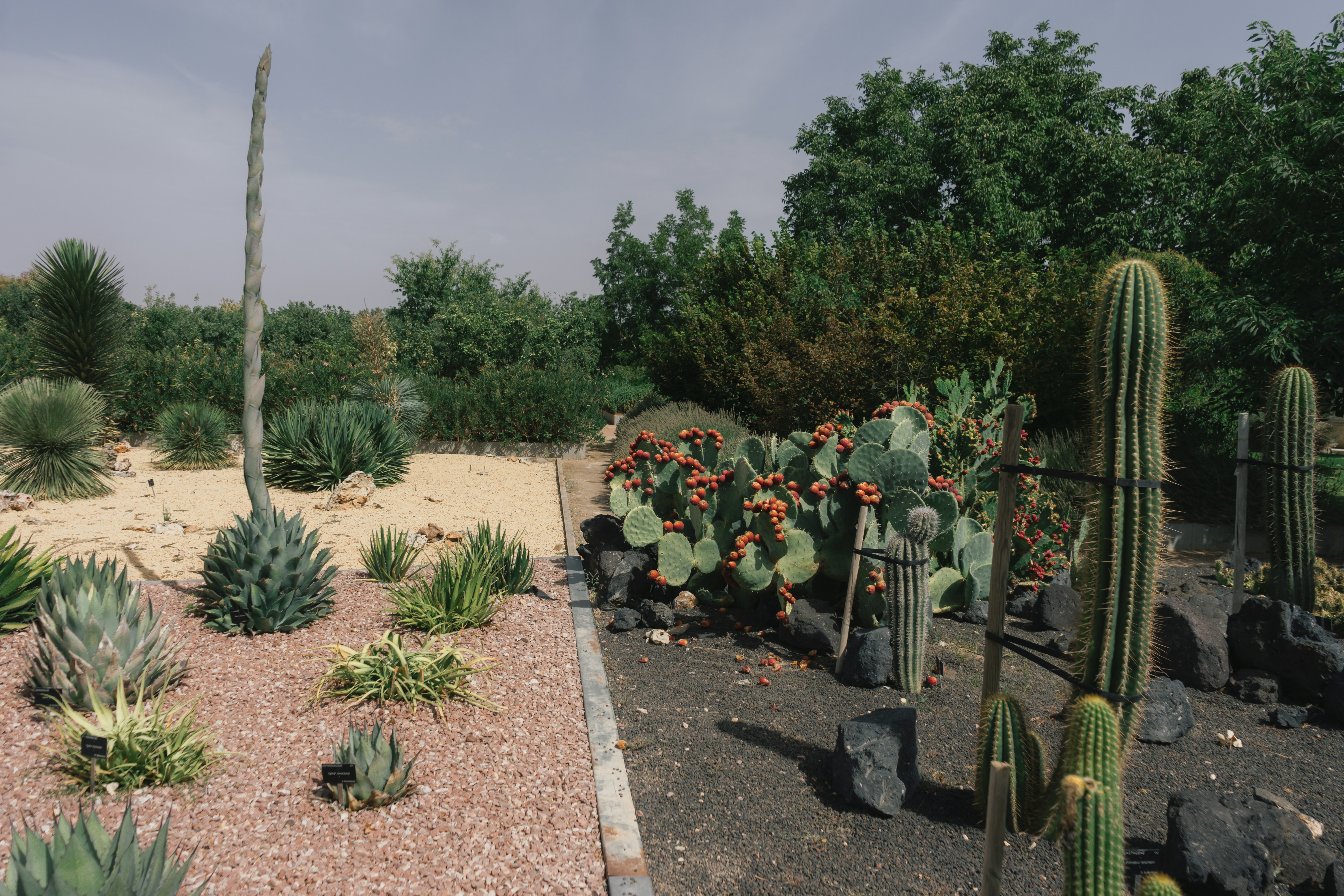
Introduction to Cactuses
Cactuses, a member of the family Cactaceae, are a diverse group of flowering plants native to the Americas, thriving predominantly in arid and semi-arid regions. With over 2,000 known species, they exhibit a variety of shapes, sizes, and colors, contributing significantly to their popularity as houseplants. Distinct characteristics of cactuses include their thick, fleshy stems adapted for water storage, and their spines, which serve as a defense mechanism against herbivores.
The adaptability of cactuses to various environments has fostered an array of types, each with unique features. For instance, the Saguaro cactus, known for its towering stature, symbolizes the American Southwest, while the small and colorful Easter cactus is popular in household settings. Other notable examples include the popular barrel cactuses, which can store moisture, and the intricate Opuntia, commonly known as prickly pear, which can bear edible fruit. This variety appeals not only to plant enthusiasts but also to those seeking sustainable decor solutions.
The rise of cactuses in home decor stems from their low-maintenance nature and resilience, making them suitable for both novice and experienced plant owners alike. Their ability to thrive with minimal watering and light requirements allows them to fit seamlessly into modern lifestyles. Furthermore, their distinct aesthetic elevates any indoor and outdoor space, transforming environments with natural elegance. Integrating cactuses into a living space enhances not just the decor but also contributes to improved air quality, creating a beneficial atmosphere.
In conclusion, the unique appeal of cactuses as versatile elements in home decor and landscaping is rooted in their diverse origins, characteristics, and practicality. This blend of beauty and functionality positions cactuses as an attractive choice for enhancing any space creatively.
Choosing the Right Cactus for Your Space
When selecting the right cactus for your space, several factors must be considered to ensure that the plant thrives and enhances the overall aesthetic of your environment. One of the primary considerations is the availability of light in your space. Cacti are succulents that generally thrive in bright, indirect sunlight. However, some species, such as the classic Saguaro or the vibrant Peruvian Apple cactus, require full sun exposure. Conversely, if your space has limited natural light, opting for low-light varieties like the Christmas cactus can be beneficial. Assessing the light conditions will help determine which cactus species will flourish in your chosen area.
Another crucial factor is the size of the cactus. Cacti come in various sizes, from small desk varieties to larger, statement pieces. It is essential to consider the dimensions of your space and the desired impact of the plant. For compact spaces or office environments, smaller cactuses such as the Bunny Ears or the Golden Barrel cactus are excellent choices. They require minimal surface area and can easily fit on shelves or desks. On the other hand, if you have ample space to showcase a larger specimen, a striking Blue Columnar cactus can serve as an eye-catching centerpiece.
Lastly, maintaining a cactus involves understanding its unique care requirements. Most cactuses require minimal watering and well-draining soil, making them suitable for individuals who prefer low-maintenance plants. However, various species have specific needs; for instance, the Fishhook Barrel cactus can tolerate drought but appreciates occasional feeding during the growing season. Researching the maintenance needs of different cacti before making a selection will enhance your success and satisfaction with these unique plants in your space.
Decorative Arrangements and Centerpieces
Cactuses, with their striking shapes and vibrant hues, offer a unique opportunity for creative decorative arrangements in both personal and professional spaces. By incorporating cactuses into your decor, you can achieve a visually appealing composition that captures attention and adds character. One of the most popular methods for showcasing these resilient plants is through terrariums. When selecting a container for your terrarium, consider transparent glass options that allow light to penetrate while also showcasing the intricate layers of soil and stone you might include. Additionally, using a variety of cactus species, such as Echinopsis and Mammillaria, can create depth and interest.
In addition to terrariums, mixed plant displays that pair cactuses with other plants can provide a diverse visual palette. For example, combining cactuses with succulents or air plants can enhance the texture and color contrast of the arrangement. When creating these displays, be mindful of the differing water and sunlight needs of your chosen plants to ensure a thriving composition. Container choices can vary from sleek modern pots to rustic wooden planters, depending on the desired aesthetic.
For special events, using cactuses as centerpieces can impart a memorable touch. When designing a centerpiece, consider utilizing a tray or a wide vessel and filling it with assorted cactuses of varying heights and colors. This allows for an artistic grouping that can serve as a conversation starter and focal point at gatherings. Introducing elements such as decorative stones, candles, or flowers can further enhance the centerpiece arrangement, creating layers of interest. Moreover, the longevity of cactuses makes them a sustainable choice for decor, allowing them to flourish long after the event concludes.
Cactuses as Functional Decor
Cactuses have evolved from being mere ornamental plants to versatile elements of functional decor in various spaces. Aside from their unique and striking appearance, these remarkable succulents can serve several purposeful roles within a home or office environment. One of the primary benefits of incorporating cactuses into your interior design is their ability to enhance air quality. As natural air purifiers, these plants can absorb carbon dioxide and release oxygen during photosynthesis, thus contributing to a healthier indoor atmosphere. By strategically placing cactuses around your living or working space, you not only elevate the aesthetic appeal but also promote well-being.
In addition to improving air quality, cactuses can act as natural mood lifters. Research indicates that indoor plants, including cactuses, can enhance psychological well-being and reduce stress levels. Their vibrant colors and varying shapes can add a sense of vitality and energy to any setting, making it more inviting and stimulating. For individuals working in high-pressure environments, having cactuses nearby could serve as a constant reminder of nature, fostering a calm and productive atmosphere.
Furthermore, cactuses can also serve as creative solutions for privacy within shared spaces. They can be utilized as natural screens, providing a physical barrier while maintaining openness and airflow. Positioning taller cactuses in areas that require separation, such as home offices or outdoor patios, not only enhances privacy but also adds an artistic touch to the environment. Overall, integrating cactuses into your space offers a multitude of functional benefits, contributing to improved air quality, elevated moods, and redefined personal privacy. Their versatility makes them an excellent choice for anyone looking to harmoniously blend style with practicality.
Using Cactuses in Outdoor Spaces
Cactuses offer a distinctive and versatile option for outdoor landscaping and garden design. Their low maintenance requirements and striking appearance make them ideal for various outdoor environments, particularly in regions that experience high temperatures and low rainfall. One way to integrate cactuses into your landscape is through the creation of a rock garden. By combining cactuses with native stones and gravel, you can reproduce a natural habitat that minimizes water requirements while enhancing aesthetic appeal.
Another idea is to design a desert-themed landscape that showcases a variety of cactuses alongside other drought-resistant plants. Incorporating diverse species not only provides visual interest but also creates a balanced ecosystem. When planting cactuses, consider their size and growth habits; grouping smaller varieties together can create a charming display, while larger species can serve as focal points in your garden layout.
To enhance the drought-resistant aspect of your garden, pay attention to the soil conditions and drainage. Well-draining soil is vital for preventing root rot in cactuses. It is advisable to mix sand with standard garden soil to achieve an optimal balance. Additionally, mulching with rock or gravel can help retain moisture while also keeping the garden tidy.
Caring for outdoor cactuses involves regular checks for pests, particularly in warmer months. Watering should only occur when the soil is completely dry, as excessive moisture can lead to decay. Seasonal considerations are also crucial; for instance, during colder months, if you’re in an area that experiences frost, it is wise to provide protection or relocate your cactuses indoors or to a sheltered area.
Integrating cactuses into your outdoor spaces not only enhances the landscape’s uniqueness but also contributes to sustainable gardening practices. Their resilience and adaptability make them a natural choice for environmentally conscious design.
Crafting Unique Home Decor Items
Incorporating cactuses into home decor can elevate the aesthetic of any living space. One of the most engaging ways to do this is through Do-It-Yourself (DIY) projects that not only showcase the vibrant nature of these plants but also allow for personal expression. Cactuses, with their diverse shapes and colors, can serve as a central theme in various artisanal crafts that reflect individual style and creativity.
An excellent starting project is crafting wall art featuring preserved or faux cactuses. By using a simple frame, decorative paper, or canvas, individuals can create eye-catching displays that highlight the organic forms of cactuses. Arranging multiple styles and sizes will add visual interest, while a cohesive color scheme can ensure harmony with existing decor. This project not only beautifies walls but also brings a touch of nature indoors.
In addition to wall art, handmade planters offer another beautiful way to integrate cactuses into home decor. Crafting custom planters allows for limitless creativity; materials can range from ceramics and wood to reclaimed metal. Whether shaped as geometric forms or organically inspired designs, these planters can be painted or stained to match any interior. Enhancing these planters with decorative stones or embellishments can further showcase the cactuses within, transforming them into stunning focal points.
Lastly, decorative holders for cactuses can be an exciting DIY project, enabling the integration of these striking plants seamlessly into various rooms. Using materials such as macramé, basket weaving, or repurposed items like teacups, individuals can create unique holders that add depth and texture. This can help in creating a cohesive look throughout a space, while also fostering a personalized touch. By embracing these creative home decor ideas, one can skillfully blend cactuses into their environment, enhancing both aesthetics and atmosphere.
Cactuses in The Kitchen: Culinary Uses
Cactuses, particularly certain edible species such as nopales and prickly pear, offer unique culinary applications in the kitchen. These plants are not only interesting in terms of their aesthetic value but also provide diverse flavors and health benefits that can enhance various dishes. For instance, nopales, the pads of the prickly pear cactus, have a mild taste and a slightly slippery texture that can add a distinctive touch to salads and salsas.
One creative way to incorporate cactuses into your meals is by using them in salads. Freshly diced nopales can be tossed with tomatoes, onions, and cilantro, creating a vibrant and nutritious dish. The nutritional profile of cactus is impressive, as it is rich in vitamins A and C, magnesium, and dietary fiber, promoting digestive health. Furthermore, its low-calorie content makes it an excellent choice for those looking to maintain a healthy diet.
Another innovative application is to blend prickly pear cacti into smoothies. The bright pink hue of prickly pear fruit, coupled with its refreshing, mildly sweet flavor, creates visually appealing and nourishing beverages. To prepare a prickly pear smoothie, simply peel and seed the fruit, blend it with your favorite fruits like bananas or berries, and add some yogurt or plant-based milk for a creamy finish.
When preparing cactus for consumption, it is essential to handle it safely. Always wear gloves while preparing nopales, as their spines can be irritating. Once cleaned, cooking or grilling the pads can help reduce their natural sliminess, making them more palatable. With these tips and creative recipes, integrating cactuses into your diet can be an exciting and healthful endeavor that also contributes to culinary diversity in your kitchen.
Themed Cactus Parties and Events
Hosting a cactus-themed party or event can be an innovative way to celebrate the unique charm of these resilient plants. Start by infusing the theme into the overall décor. Use vibrant colors like shades of green, terracotta, and earthy tones to create a warm and inviting atmosphere. One idea is to adorn tables with small cactus centerpieces, which can be potted cactuses or carefully crafted paper representations for easy cleanup. Additionally, string lights can be woven through branches resembling the habitats of these plants, enhancing the aesthetic appeal.
For activities, consider organizing a DIY cactus terrarium workshop. Guests can create their little ecosystems using miniature cactuses, soil, and decorative stones, promoting a hands-on experience that fosters creativity. Another engaging activity is a cactus-themed scavenger hunt, where participants can search for hidden cactus figurines or related items throughout the venue. This not only adds an interactive element but also encourages socializing among attendees.
Food is an essential aspect of any themed gathering, and a cactus party allows for a delightful array of culinary creativity. Begin with cactus-inspired appetizers, such as cactus salad made with nopales, a dish that brings authentic flavors to the table. Green-colored beverages can enhance the aesthetic; consider offering matcha or mint-infused cocktails and mocktails. For dessert, cactus-shaped cupcakes or a layered cake decorated with cactus frosting designs will surely impress guests. By focusing on a cohesive theme through decorations, activities, and food, hosts can create a memorable experience that pays homage to the beauty of cactuses.
Tips for Cactus Care and Maintenance
Cactuses are popular for their low maintenance and resilient nature, making them a suitable choice for both seasoned and novice plant enthusiasts. However, to cultivate a thriving cactus, understanding their specific care requirements is essential. The first factor to consider is watering. Cactuses generally require infrequent watering, as they are adapted to arid environments. A good rule of thumb is to water them deeply but less frequently, allowing the soil to dry out completely between watering sessions. During the growing season, which typically spans from spring through summer, cactuses may need watering every two to three weeks. Conversely, during the dormant winter months, watering should be reduced significantly.
Next, light requirements are crucial for a cactus’s health. Most cactuses thrive in bright, direct sunlight for at least six hours a day. If kept indoors, placing them near south or west-facing windows will allow them to receive adequate light. Insufficient light can lead to etiolation, where the cactus stretches unnaturally in search of sunlight. In terms of soil, cactuses benefit from a well-draining mix. A commercial cactus mix or a combination of potting soil, sand, and perlite makes an excellent choice to prevent root rot.
Pest management is another vital aspect of maintaining a healthy cactus. Common pests such as spider mites, mealybugs, and scale can harm these plants. Regularly inspecting your cactuses for signs of infestations is advisable. If pests are detected, consider using insecticidal soap or neem oil, which are less harmful to the plant compared to harsher chemical treatments. By adhering to these care tips, you can ensure the longevity and health of your cactuses, allowing them to flourish beautifully in your space.
Leave a Reply
You must be logged in to post a comment.