
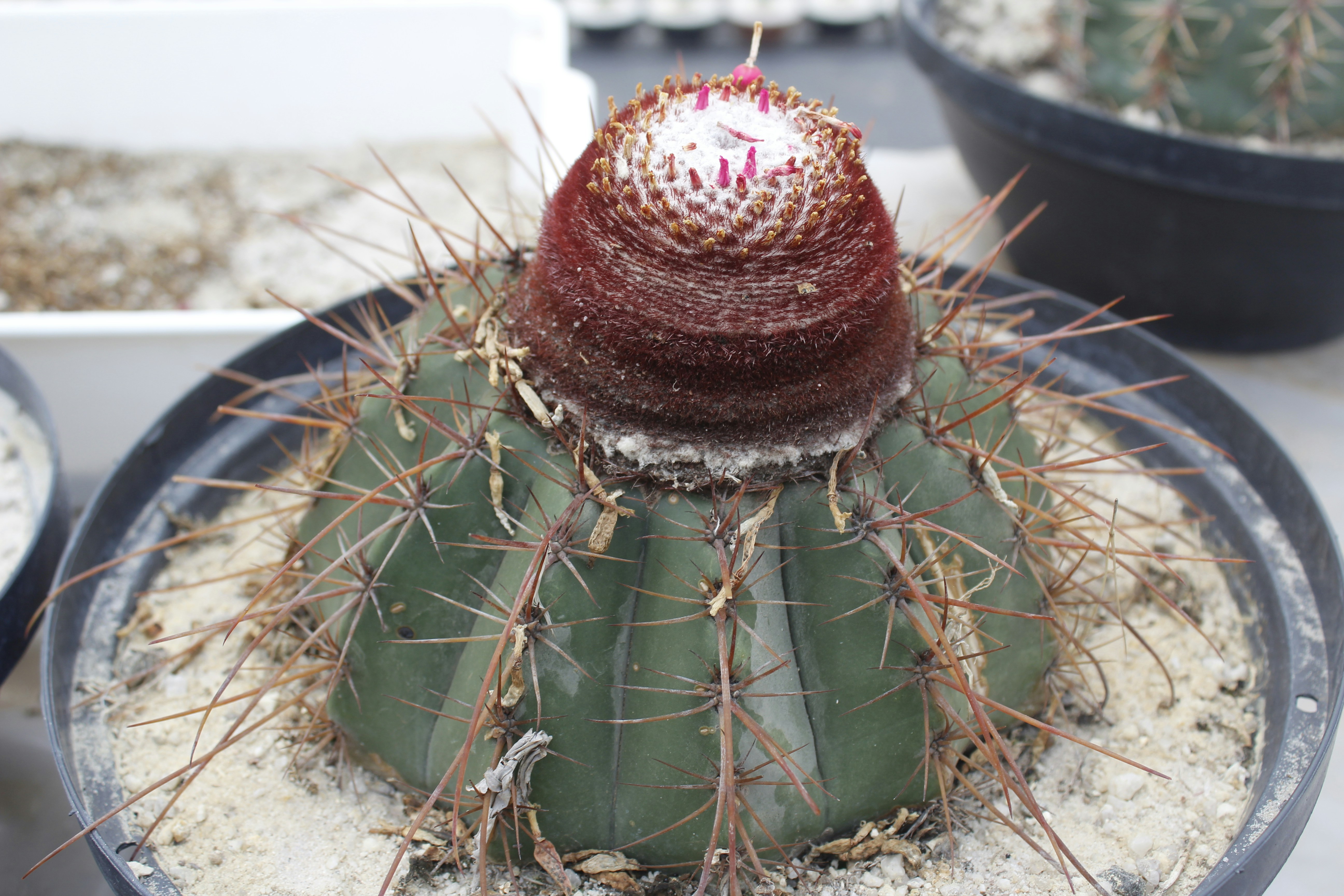
Introduction to Cactus Health
Maintaining the health of cacti is essential for promoting their growth and longevity. Cacti, known for their resilience to harsh environments, can still fall victim to various diseases that may significantly impact their vitality. Recognizing the symptoms of cactus diseases early is crucial for effective intervention and treatment. Affected cacti can exhibit a range of signs, from discoloration and wilting to distorted growth patterns. Moreover, the presence of pests may often accompany these symptoms, compounding the health issues faced by these unique plants.
Understanding the importance of cactus health extends beyond aesthetic appeal; healthy cacti can thrive in various conditions and contribute positively to the surrounding ecosystem. The presence of diseases can hinder growth and even lead to the death of the plant, making it necessary for growers to familiarize themselves with the common signs of distress. Some prevalent symptoms associated with cactus diseases include yellowing of the skin, softened or mushy appearance, and the appearance of spots or lesions. These changes in the plant’s appearance serve as vital indicators that should prompt further investigation into the underlying issues.
The impact of diseases on cactus growth dynamics cannot be overlooked. Infected cacti may struggle to photosynthesize effectively, leading to stunted growth and diminished vitality over time. Additionally, severe cases may result in the debilitating spread of the disease to neighboring plants, reinforcing the need for prompt diagnosis and appropriate remedial actions. This blog post will delve into various cactus diseases, examining their causes, symptoms, and home remedies to foster recovery. By understanding the factors that influence cactus health, enthusiasts can take proactive measures to ensure the vitality of their beloved plants.
Common Cactus Diseases and Their Symptoms
Cacti are known for their resilience; however, they are not impervious to diseases. Understanding the most common cactus diseases, along with their symptoms, is essential for effective identification and treatment. One prevalent issue is root rot, primarily caused by overwatering and poor drainage. Symptoms of root rot include yellowing of the leaves, a mushy or blackened base, and an overall wilting appearance. If the roots appear brown and slimy upon inspection, this is a clear indication that root rot has set in.
Another significant concern for cactus owners is fungal infections, which can manifest in various forms. These infections often thrive in overly humid conditions. Symptoms to watch for include white, powdery patches (often indicative of powdery mildew), or brown, sunken spots on the plant’s surface. These signs can deteriorate the cactus’s health, leading to eventual death if not addressed promptly. Ensuring adequate air circulation around the plant and avoiding excess moisture will help mitigate the risk of such infections.
In addition to fungal infections, mealybugs are another common pest that can affect cacti. These small, cotton-like insects tend to cluster in the crevices of the cactus, feeding on its sap. A telltale sign of mealybug infestation is the presence of white, fluffy masses and sticky residue on the plant. A significant infestation can lead to yellowing leaves and stunted growth as the plant becomes weakened from nutrient loss. Regularly inspecting your cacti for signs of these pests can help in early detection and prompt treatment, thus safeguarding the health of your plants.
Causes of Cactus Diseases
Cacti, known for their resilience and adaptability to arid environments, can still fall victim to a variety of diseases that compromise their health. Understanding the primary causes of cactus diseases is essential for gardeners and plant enthusiasts who aim to prevent potential issues rather than merely treating them post-factum. One significant factor is environmental stress. Cacti thrive in specific conditions, and any drastic changes—such as temperature fluctuations, excessive humidity, or inadequate sunlight—can lead to weakened plant health. Prolonged exposure to adverse environmental conditions can result in disease susceptibility.
Improper watering techniques also play a critical role in the development of cactus diseases. Overwatering or underwatering can disrupt the plant’s ability to absorb nutrients effectively, making them vulnerable to diseases. Cacti require a delicate balance; they need well-draining soil and should only be watered when the soil is completely dry. If the roots remain in soggy soil, rot can develop, leading to severe complications.
Pest infestations constitute another leading cause of cactus diseases. Common pests, such as mealybugs, spider mites, and scale insects, can weaken cacti by feeding on their vital sap. In addition to the direct injury caused by these pests, they can also introduce harmful pathogens which exacerbate disease risks. Closely monitoring for signs of pests and taking preventative measures can greatly mitigate this threat.
Lastly, unsuitable soil conditions can be detrimental to cactus health. Soil that retains too much moisture or lacks the necessary nutrients can lead to poor growth and increased susceptibility to diseases. Utilizing a well-balanced cactus potting mix designed to support their unique needs is vital to keeping your cactus thriving.
Preventative Measures for Healthy Cacti
Maintaining healthy cacti involves a series of preventative measures that can significantly reduce the risk of diseases and pests. One of the fundamental aspects of cactus care is watering. Cacti are succulents adapted to arid environments, which means they require less frequent watering compared to other plants. A common mistake among cactus owners is overwatering, which can lead to root rot and other fungal diseases. It is advisable to allow the soil to dry completely between waterings; a general guideline is to water every two to three weeks, depending on the season and the specific needs of the cactus.
In addition to proper watering practices, selecting the right soil is essential for the health of cacti. Cacti thrive in well-draining soil that prevents water retention. A specialized cactus mix or a blend of potting soil, sand, and perlite can create an optimal environment for the root system. This ensures that the roots can breathe and reduces the risk of diseases commonly associated with saturated soil.
Providing adequate sunlight is another crucial factor. Most cacti require at least six hours of direct sunlight each day. Ensuring that your cacti are placed in a location where they can receive ample sunlight during the day will promote healthy growth and flowering. However, during the hottest parts of the day, it may be necessary to provide some shade to prevent sunburn on the plant.
Lastly, regular inspections of your cacti help detect any signs of pests or diseases early on. Look for discolored spots, webbing, or any soft areas on the cactus, which can indicate potential issues. By taking a proactive approach through these preventative measures—proper watering, appropriate soil selection, sunlight exposure, and routine inspections—you can foster a robust environment for your cacti to thrive, ultimately reducing the likelihood of disease and pest infestations.
Home Remedies for Cactus Diseases
Cacti, known for their resilience and low maintenance, can sometimes fall prey to various diseases and pests. Fortunately, several effective home remedies can help treat these issues without the need for commercial products. A common approach involves using natural fungicides to combat fungal infections, which can be detrimental to cacti health. One such remedy is a mixture of baking soda and water. Combining one tablespoon of baking soda with a quart of water creates an effective solution that can be sprayed onto the affected areas to fend off fungi.
In addition, tea tree oil serves as a potent natural fungicide as well. Mixing a few drops of tea tree oil with water and applying it to the afflicted parts can promote healing. This oil’s antifungal properties help fight off infections while being gentle on the plant. Regular application of these remedies can significantly improve the cactus’s well-being.
Pests, such as aphids and mealybugs, can also harm cactus plants. A simple yet effective solution is to create an insecticidal soap at home. This can be accomplished by mixing pure liquid soap with water at a ratio of two tablespoons of soap to one quart of water. Spray this mixture directly onto the pests or the infected areas. The soap suffocates the insects and disrupts their cellular functions, which helps in eradicating them quickly.
Another preventive measure involves maintaining optimal watering practices. Overwatering can lead to root rot, a severe issue for cacti. Ensuring good drainage in the potting medium is paramount, and using a moisture meter can help monitor soil conditions effectively. Adjusting watering schedules according to seasonal needs can mitigate the risk of cactus diseases.
In conclusion, arm yourself with these home remedies to ensure your cactus remains healthy and vibrant. With careful attention and proactive measures, many common cactus diseases can be effectively managed through simple DIY solutions.
Step-by-Step Guide for Dealing with Specific Diseases
Addressing cactus diseases effectively requires a systematic approach tailored to each specific condition. This guide aims to provide step-by-step instructions to assist plant owners in identifying issues and applying appropriate remedies while monitoring their succulents’ recovery.
Begin by closely observing your cactus for any indicative signs of distress, such as discoloration, wilting, or unusual spots. For instance, if you notice yellowing leaves or a soft, mushy stem, your cactus may be suffering from root rot, often caused by overwatering. To remedy this, gently remove the cactus from its pot, examine the roots, and trim away any that appear brown or mushy. Afterward, repot the cactus in fresh, well-draining soil and allow it to dry out before watering again.
In cases of fungal infections characterized by dark patches or a powdery residue, act swiftly by applying a diluted fungicide. Begin by isolating the affected plant to prevent the spread of spores to other cacti. Next, clean the leaves gently with a soft cloth to remove any debris and apply the fungicide according to the manufacturer’s instructions. Ensure the cactus is placed in a location with good air circulation to expedite recovery.
For pests such as mealybugs or spider mites, a different procedure is necessary. Identify the pests by their distinctive cottony appearance or webbing on your cactus. Use a cotton swab dipped in rubbing alcohol to directly treat the affected areas. This method kills the pests while minimizing damage to the cactus. Follow up with regular inspections to monitor for any re-emergence.
Throughout the recovery process, pay close attention to the cactus’s overall environment. Factors such as light, humidity, and temperature play crucial roles in plant health. By taking these steps, growers can effectively manage cactus diseases and nurture their plants back to a healthy state.
When to Seek Professional Help
For cactus enthusiasts, maintaining healthy plants is often a labor of love, but there are circumstances when the solutions available at home may not suffice. Recognizing when to consult a professional is essential for preventing further damage to your cactus and ensuring its continued health. Several indicators can suggest that a cactus is facing issues beyond the capabilities of home remedies.
One of the first signs that a professional’s intervention may be necessary is if you observe unusual growth patterns or severe wilting that does not improve despite attempts to adjust care practices such as watering, light exposure, or soil conditions. Abnormalities in appearance, such as significant discoloration or rapid deterioration of the cactus, may indicate a serious issue that requires expert diagnosis. Additionally, if your cactus exhibits signs of pests or disease—such as webbing, discolored spots, or soft mushy areas—and these problems persist despite treatment, it is advisable to seek professional assistance.
Moreover, if you notice a pervasive issue affecting multiple cacti in your collection, it could suggest an underlying problem, such as soil contamination or a common pest. In such situations, a professional familiar with cactus health can provide a thorough assessment and actionable treatment plans that home remedies may not effectively address. Consulting a horticulturist, botanist, or a local plant specialist not only aids in accurate diagnosis, but can also offer specific advice tailored to your cactus variety and conditions.
Seeking professional help can ultimately save time, resources, and the well-being of your beloved cacti. Through timely action and expert insights, homeowners can ensure the optimal health of their plants, addressing issues before they escalate into significant problems.
Resources for Cactus Care
For enthusiasts and beginners alike, accessing reliable resources is essential for successful cactus care. Numerous websites provide comprehensive information on cactus species, care tips, and solutions for common diseases. A notable resource is Cactus Channel, which features articles on cactus gardening techniques, expert advice, and disease identification. Another helpful website is Succulent City, which includes a section dedicated to cacti, offering guidance on care routines and pest management.
In addition to online resources, readers may benefit from books that focus on cactus cultivation. A highly recommended book is “Cacti: The Illustrated Dictionary” by A.J. Fendley, which serves as an excellent reference guide for understanding various cactus species and their care requirements. Another invaluable book is “The Cactus Family” by Edward F. Anderson, which delves into the biology and care of cacti, making it a must-read for serious enthusiasts. These publications provide not only practical care strategies but also insights into the fascinating world of cacti.
For those seeking community support, local gardening groups can serve as an excellent resource. Whether through meet-ups, workshops, or online forums, these groups can help connect cactus enthusiasts with vast pools of knowledge and shared experiences. Utilizing platforms like Meetup enables individuals to discover local gatherings focused on cactus care and cultivation, fostering a sense of community and shared learning.
By leveraging these resources—websites, books, and local gardening groups—readers can enhance their understanding of cactus care, ensuring their plants thrive while pursuing their shared interest in these unique succulents.
Conclusion: Nurturing Your Cacti for Longevity
In order to ensure the longevity and vitality of cactus plants, it is essential to recognize the importance of ongoing care and attention. Throughout our exploration of cactus diseases, we discussed various home remedies and solutions that can effectively address common issues faced by these resilient plants. By applying the appropriate treatments and adopting best practices for cactus care, gardeners can enjoy the satisfaction of maintaining healthy specimens in their collection.
Understanding the specific needs of cacti, such as light, watering, and soil requirements, significantly contributes to their overall health and can prevent many diseases. It is crucial to regularly monitor your plants for signs of distress or disease symptoms, allowing for prompt intervention. Whether it involves adjustments in care or implementing a natural remedy, proactive measures can ultimately lead to thriving cacti.
Moreover, providing a well-draining potting mix, ensuring proper sunlight exposure, and maintaining an appropriate watering schedule are foundational elements that cannot be overlooked. As most diseases stem from overwatering or poor drainage, cultivating awareness of how environmental factors affect your cactus will empower you to manage them more effectively.
The journey of nurturing cacti is one that requires dedication and patience. By integrating the techniques and knowledge shared in this blog post, you can establish a healthy care routine that promotes disease resistance. Remember, healthy cacti not only enhance your space but also contribute to your overall gardening experience. Equip yourself with the right information, and enjoy the rewards of caring for your plants, which can flourish and endure for many years to come.
Leave a Reply
You must be logged in to post a comment.