
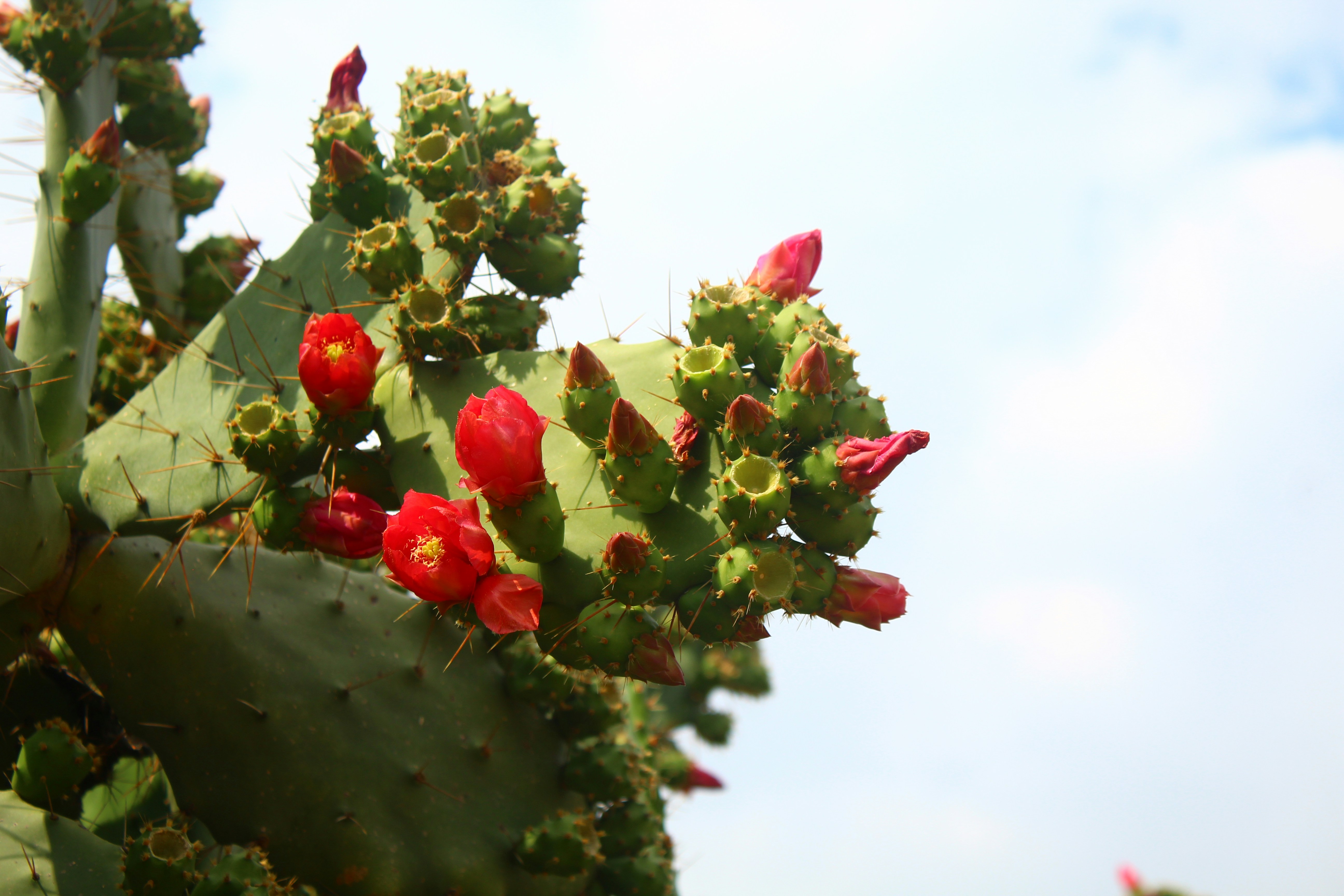
Introduction to Spineless Opuntia Cactus
The Spineless Opuntia Cactus, scientifically known as Opuntia ficus-indica, is a remarkable member of the Cactaceae family. Originating from the arid regions of Mexico and the southern United States, this cactus is renowned for its resilience and adaptability to varied environments. Unlike traditional cacti, the Spineless Opuntia is characterized by its absence of spines, which not only makes it visually appealing but also user-friendly, especially for novice gardeners seeking a manageable plant.
Distinctive features of the Spineless Opuntia include its broad, flat pads, which serve multiple functions. These pads, or cladodes, are rich in water and nutrients, allowing the plant to thrive in drought conditions while also providing an edible source that can be used in various culinary applications. The Spineless Opuntia also produces vibrant yellow or red flowers, which develop into fleshy fruit known as nopales. These attributes make it not only a beautiful ornamental plant but also a valuable addition to gardens that aim to maximize biodiversity.
The Spineless Opuntia is admired for its ability to flourish in poor soils and withstand high temperatures, making it a favored choice among gardeners looking for low-maintenance plants. Additionally, its ecological benefits, such as erosion control and habitat support for wildlife, further enhance its appeal. Both novice and experienced gardeners appreciate its hardiness and low water requirements, positioning the Spineless Opuntia as an ideal candidate for sustainable gardening practices. As the following sections will elaborate, understanding the specific needs and optimal watering schedule for this cactus is crucial in promoting its health and vitality. Overall, the Spineless Opuntia stands out as a versatile and beneficial plant for various gardening endeavors.
Choosing the Right Environment
Growing Spineless Opuntia cactus successfully requires careful consideration of its environmental conditions. As a sun-loving plant, it thrives best in areas that receive ample sunlight. Ideally, Spineless Opuntia should be placed in a location that offers at least six to eight hours of direct sunlight each day. For indoor growers, positioning the cactus near a south- or west-facing window can maximize sun exposure. If natural light is insufficient, supplemental grow lights can be a viable alternative to ensure the plant receives adequate illumination.
Temperature plays a critical role in the health of the Spineless Opuntia. This cactus is well-suited to warm climates, as it prefers temperatures between 70°F and 100°F during the day. However, it can tolerate cooler nighttime temperatures down to around 50°F. When cultivating Spineless Opuntia outdoors, it is essential to ensure that the plant is not exposed to frost or extreme cold, as this can lead to damage. For indoor cultivation, maintaining a stable environment with minimal temperature fluctuations can promote optimal growth.
Soil composition is another crucial factor in creating an ideal environment for Spineless Opuntia. A well-draining cactus mix is recommended, as it prevents water accumulation, which can cause root rot. A mixture of potting soil, sand, and perlite or pumice is often effective, providing the necessary drainage while still retaining some moisture. If planting outdoors, choosing a sandy or rocky soil that mimics its native habitat will encourage vigorous growth. Additionally, amending the soil with organic matter can improve its structure and nutrient content, benefiting the Spineless Opuntia.
Preparing the Soil for Planting
Creating an optimal soil environment is critical for the successful growth of Spineless Opuntia cactus. This plant thrives in well-draining soil that prevents excess moisture accumulation, which can lead to root rot. To achieve the ideal soil composition, consider a mix that consists of sandy loam combined with organic matter. A suggested ratio is three parts sandy soil to one part organic compost, ensuring that drainage is prioritized. Incorporating perlite or pumice into your mix can also enhance drainage while promoting aeration in the root zone.
The pH level of the soil is another vital factor to consider; Spineless Opuntia flourishes in a slightly acidic to neutral pH range of about 6.0 to 7.0. To ascertain your garden soil’s pH, conducting a simple soil test is advisable. If the pH is found to be too high or too low, amendments can be made accordingly. For alkaline soils, adding sulfur can help to lower the pH, while lime may be utilized to raise it if the soil is overly acidic. It is imperative to implement these amendments gradually, monitoring their effects before introducing further changes.
The best time to prepare your soil for planting is in the spring, as the temperatures begin to warm. This allows the amendments time to integrate into the existing soil before the planting season begins. When amending garden soil, turn over the top several inches with a garden fork or tiller, thoroughly mixing in organic matter and any necessary amendments. This not only promotes better drainage but also enriches the soil with nutrients essential for the growth of Spineless Opuntia. Adequate preparation of the planting soil ultimately sets the foundation for a healthy cactus, ensuring its robust development and resilience against common threats.
Propagation Methods for Spineless Opuntia
Propagation of Spineless Opuntia, a well-regarded cactus species, can be achieved through two primary methods: seed propagation and vegetative cuttings. Each method offers unique advantages and varying levels of complexity, making it essential to understand the procedures for successful cultivation.
Firstly, seed propagation involves the collection of seeds from mature Spineless Opuntia fruits. It is advisable to harvest seeds during the peak growing season, typically in late summer. Once the seeds are collected, they should be cleaned and dried. The next step involves preparing a suitable potting mix, generally a well-draining mixture of cactus soil and sand. Seeds can be sown directly onto the surface of the soil and lightly covered with a thin layer of sand to facilitate germination. Maintaining consistent moisture is crucial; however, avoid overwatering, which can lead to seed rot. The optimum temperature for germination is around 70°F to 85°F. Germination takes place within two to three weeks, depending on environmental conditions.
On the other hand, vegetative propagation through cuttings is a quicker method to achieve growth. This method involves selecting healthy pads or segments from a mature Spineless Opuntia cactus. It is best to take cuttings in the spring or early summer when the plant is actively growing. After cutting, allow the severed ends to dry for several days to form a callous, which helps prevent rot when planted. The calloused cuttings can then be placed vertically in a well-draining potting mix. Like seed propagation, it is crucial to water sparingly during the establishment period. Regular checks can help avoid common mistakes, such as planting too deeply or excessive watering, which may hinder the cutting’s ability to root. With patience and care, both propagation methods can successfully yield new Spineless Opuntia cacti, enriching any collection.
Watering Schedule for Spineless Opuntia
The Spineless Opuntia cactus, recognized for its unique and attractive form, requires a carefully planned watering schedule to thrive. The frequency of watering will depend on several factors, including the season, indoor or outdoor environment, and overall health of the plant. Generally, during the growing season—which typically runs from spring to early fall—these cacti should be watered every two to three weeks. This schedule helps ensure that the plant receives adequate moisture without risking overwatering, which can lead to root rot.
To assess the moisture levels in the soil, it is advisable to use the finger test. Insert your finger about an inch into the soil. If the soil feels dry at this depth, it is time to water. Conversely, if the soil is still moist, it is best to hold off on watering. Spineless Opuntia is particularly sensitive to overwatering, so it is critical to allow the soil to dry out between watering sessions. Signs of overwatering may include yellowing pads and a mushy texture, whereas under-watered plants typically exhibit wrinkled pads that lose their firmness.
Seasonal variations significantly impact the watering needs of Spineless Opuntia. In the winter months, when the cactus enters a dormant phase, the watering frequency should be reduced to once a month or even less, allowing the plant to conserve energy and moisture. The succulent nature of the Spineless Opuntia allows it to store water, making it well-adapted to withstand dry periods. However, maintaining an optimal watering schedule tailored to its environment will promote healthy growth and vibrant foliage throughout the year.
Fertilization Tips for Healthy Growth
To ensure robust growth in Spineless Opuntia cactus, proper fertilization is key. This cactus species thrives in well-draining soil that is rich in nutrients, and thus, selecting the right type of fertilizer is essential. For optimal results, a balanced, slow-release fertilizer with an N-P-K ratio of 10-10-10 or a specialized cactus fertilizer may be employed. These formulations typically contain the requisite proportion of nitrogen, phosphorus, and potassium that support overall plant health.
The frequency of application is another crucial aspect in the fertilization of Spineless Opuntia. It is recommended to fertilize the cactus during its active growing season, which usually spans from late spring to early summer. An application every six to eight weeks during this period will provide the necessary nutrients without overwhelming the plant. Be cautious, however; over-fertilization can lead to detrimental effects, such as root burn or excessive growth that may weaken the cactus’ structure.
Regarding specific nutrients, Spineless Opuntia benefits from additional micronutrients, including magnesium and iron, which support photosynthesis and overall vigor. Liquid fertilizers can be a useful option for providing these micronutrients, as they can quickly be absorbed by the roots. To determine if your cactus requires further fertilization, observe its growth patterns. If growth appears stunted, or if the naturally vibrant green color starts to fade, it may indicate a nutrient deficiency. Conducting a soil test can provide valuable insight into the nutrient levels present, guiding your fertilization strategy effectively.
In conclusion, employing the right fertilization practices is instrumental in fostering the health and growth of your Spineless Opuntia cactus. By selecting an appropriate fertilizer, adhering to a scheduled application, and monitoring your cactus’s health, you can support its thriving environment successfully.
Common Pests and Diseases
Spineless Opuntia cacti, known for their resilience and aesthetic appeal, can still fall prey to a variety of pests and diseases that may compromise their health. Recognizing these threats early is crucial for maintaining the longevity and vitality of your cactus. Among the most common pests are scale insects, mealybugs, and spider mites. Scale insects often attach themselves to the pads of the cactus, sucking the sap and potentially causing overall decline. Mealybugs are similarly harmful, characterized by their white, cotton-like appearance, which can lead to yellowing of the pads and stunted growth if untreated. Spider mites thrive in dry, hot conditions, leading to discoloration and webbing on the cactus.
To combat these pests, integrate a few effective methods. First, maintain optimal growing conditions to promote a healthy cactus, as healthy plants are less susceptible to infestations. Regularly inspect your Spineless Opuntia, particularly after conditions conducive to pests (such as increased humidity), and remove any visible pests using a soft brush or cloth. For more severe infestations, consider using insecticidal soap or neem oil, both of which are effective yet gentle solutions.
Diseases may also manifest in Spineless Opuntia, with root rot being particularly concerning. Root rot can develop from overwatering or poorly drained soil, leading to severe damage or even plant death. To prevent this, ensure proper soil drainage and utilize a watering schedule that allows the soil to dry between waterings. Fusarium wilt is another potential threat, often indicated by yellowing pads and collapsing stems; unfortunately, there is no effective cure for this disease, making prevention through sanitation and careful monitoring essential.
Incorporating these preventative measures and treatment options can help ensure your Spineless Opuntia remains healthy and free from pests and diseases. With the right care, you can enjoy a thriving cactus for years to come.
Harvesting and Uses of Spineless Opuntia
Harvesting Spineless Opuntia, also known as the Nopal cactus, is a rewarding process that requires attention to timing and technique. The best time to harvest the pads and fruits, called “tunas,” is typically during the late spring or early summer when they reach optimal maturity. The pads should be harvested when they are firm and vibrant in color, indicating they have reached the peak of freshness. It is advisable to wear thick gloves when handling the pads to prevent skin irritation from the small spines that can be present, even in spineless varieties.
To harvest the pads, use a sharp knife to cut them away from the plant base, ensuring minimal damage to the remaining cactus. For the fruits, harvesting should occur as they change from green to a bright color, which can be red, yellow, or purple, depending on the specific variety. Careful handling is critical to avoid bruising, which can compromise their quality and shelf life. After harvesting, it is essential to store them in a cool, dry place to maintain their freshness, and they can be refrigerated for a longer shelf life.
Spineless Opuntia offers a variety of culinary and medicinal uses, contributing to its popularity. In culinary applications, the pads can be grilled, sautéed, or added to salads, providing a unique texture and flavor. Nutritionally, they are low in calories and high in dietary fiber, vitamins, and minerals, making them an excellent addition to a healthy diet. The fruit is often consumed raw or used in beverages, jams, and desserts due to its sweet taste and nutritional benefits, including antioxidants, which can promote overall health.
Moreover, traditional medicine utilizes the Spineless Opuntia for its properties that may aid in digestion, blood sugar regulation, and inflammation reduction. Overall, the versatile uses of Spineless Opuntia, along with its nutritional benefits, make it a valuable plant in both culinary and medicinal contexts.
Conclusion and Final Tips
Growing Spineless Opuntia cactus can be a rewarding endeavor for both novice and seasoned gardeners. Its unique characteristic of having no spines makes it an appealing choice for anyone looking to cultivate cacti without the hassle of dealing with spiky varieties. To ensure successful growth, it is essential to adhere to a proper watering schedule, given that cacti are highly sensitive to overwatering. Spineless Opuntia thrives best in dry conditions, with the soil allowed to dry out completely between waterings. Generally, watering should be adjusted with the changing seasons; during the active growing period in spring and summer, provide water more frequently, whereas in the fall and winter, reduce the frequency significantly.
Additionally, consider the importance of sunlight in cultivating a robust Spineless Opuntia. This cactus variety prefers bright, direct sunlight for optimal growth. Positioning the plant near a south or west-facing window can help ensure it receives the necessary light. However, be wary of sudden temperature changes or harsh conditions that could stress the plant. Regularly monitoring for pests and diseases is also essential, as Spineless Opuntia can attract common nuisances, including scale insects or mealybugs.
As you embark on this gardening journey, maintaining a balance of warmth, light, and appropriate moisture will lead to a flourishing cactus. Remember that patience is paramount; growth may be slow at times but will yield beautifully vibrant results as the plant matures. Readers are encouraged to share their experiences with Spineless Opuntia in the comments section, fostering a supportive community for fellow enthusiasts. Happy gardening!
Leave a Reply
You must be logged in to post a comment.