
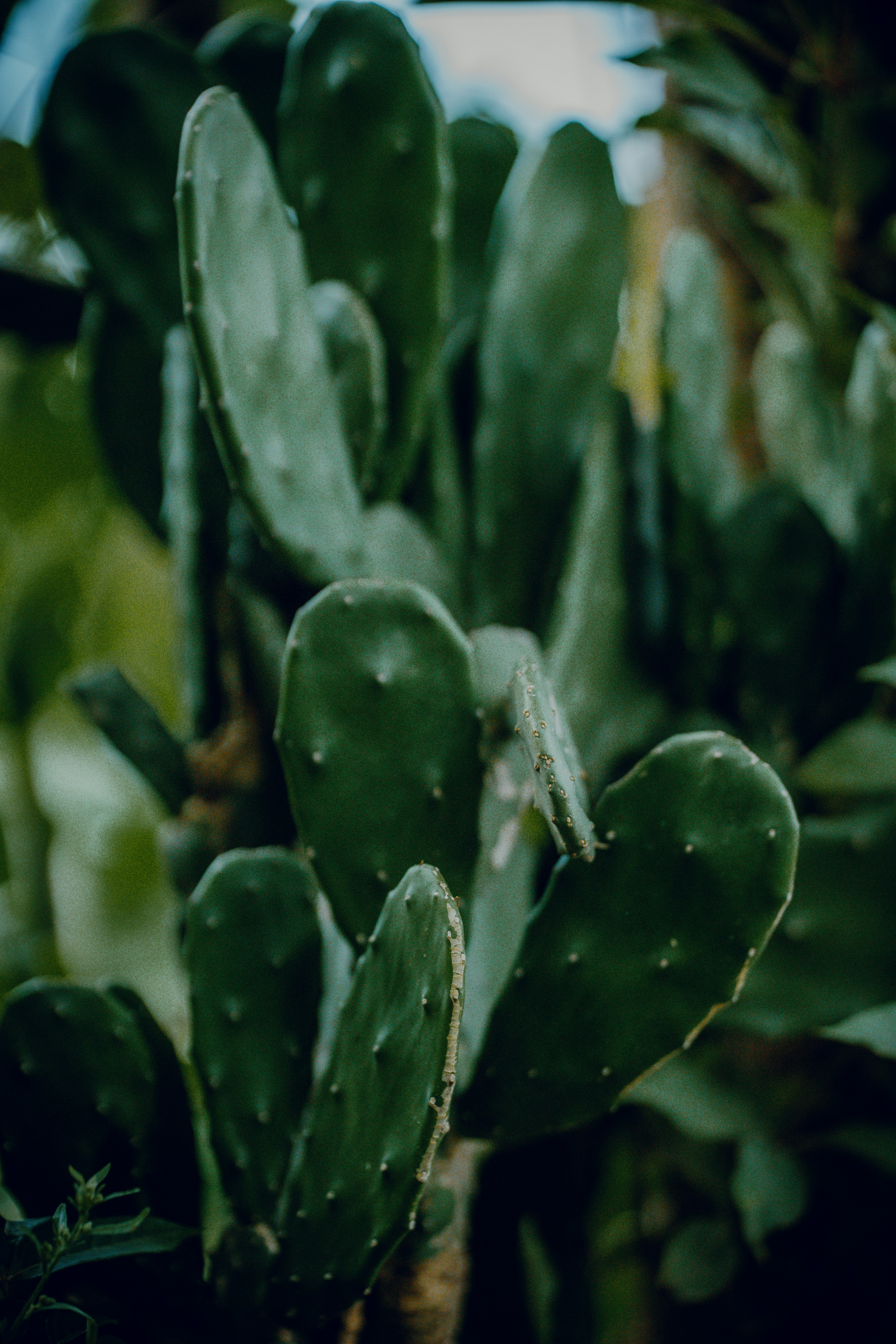
What Are Spineless Cactus Pads?
Spineless cactus pads, scientifically classified under the genus Opuntia, represent a fascinating subcategory of cacti distinguished by their smooth, spine-free surfaces. Unlike their traditional counterparts, which are often covered in sharp spines that can deter herbivores and pose a challenge for harvesting, spineless cacti have evolved to feature pads that are not only safe to handle but also highly versatile in culinary applications. These pads are typically thick, fleshy, and rich in nutrients, making them a valuable addition to diets worldwide.
The absence of spines significantly enhances their appeal for both cultivation and consumption. This attribute allows for easier harvesting and preparation, instilling confidence in both cooks and consumers who may be daunted by the spiny varieties. As a result, spineless cactus pads are increasingly becoming a sought-after ingredient in contemporary cuisine, especially in regions where they are traditionally celebrated for their health benefits.
Primarily found in warm climates, spineless cactus pads thrive in regions such as Mexico, the Southwestern United States, and parts of South America. They have been cultivated for centuries in these areas, where they play an integral role in local diets and traditional dishes. In Mexican cuisine, for example, the pads—referred to as “nopales”—are often grilled, sautéed, or added to soups, showcasing their adaptability and flavor.
Cultivators appreciate spineless cactus for their resilience and minimal water requirements, which make them an environmentally friendly choice for agricultural practices. Their ability to flourish in arid conditions aligns with sustainable farming practices, promoting a reduction in water usage. As awareness regarding health and sustainability grows, spineless cactus pads are becoming increasingly available in various markets, presenting an ideal opportunity for those looking to explore and benefit from this unique superfood.
Nutritional Profile and Health Benefits
The spineless cactus pads, renowned for their unique texture and flavor, offer an impressive nutritional profile that is beneficial for health enthusiasts and those seeking alternative food sources. Each serving of these pads is low in calories while being high in essential nutrients, making them an ideal choice for those aiming to manage their weight effectively. With their high fiber content, spineless cactus pads can aid in digestion by promoting a healthy gastrointestinal tract, effectively preventing constipation and enhancing overall digestive health.
Rich in vitamins and minerals, these cactus pads contain significant amounts of vitamin C, vitamin A, magnesium, potassium, and calcium. Vitamin C acts as a powerful antioxidant that protects the body from oxidative stress, while vitamin A is vital for maintaining healthy vision and skin. Magnesium and potassium are essential for optimal muscle and nerve function, supporting cardiovascular health. The mineral calcium strengthens bones and teeth, promoting skeletal health.
Moreover, spineless cactus pads possess unique properties that can help in managing diabetes. They contain compounds that may improve insulin sensitivity and help stabilize blood sugar levels, making them particularly beneficial for individuals with type 2 diabetes. Additionally, the anti-inflammatory properties of these pads contribute to reducing inflammation in the body, which is linked to various chronic diseases. The antioxidant effects of spineless cactus pads further support overall health by neutralizing free radicals and potentially lowering the risk of developing serious health conditions.
Incorporating spineless cactus pads into one’s diet can yield numerous health benefits, including enhanced digestion, better weight management, and improved diabetes control. Their versatile nature allows for various culinary applications, making them not just nutritious but also enjoyable to consume. As a superfood, they can play a significant role in promoting overall wellness and health for those who choose to include them in their diets.
Culinary Uses of Spineless Cactus Pads
Spineless cactus pads, also known as nopales, are a nutritious and versatile ingredient widely utilized in various cuisines, particularly in Mexican cooking. These succulent pads are rich in dietary fiber, vitamins, and antioxidants, making them an excellent addition to a balanced diet.
In traditional Mexican cuisine, spineless cactus pads are commonly grilled or sautéed. When grilled, they develop a delightful smoky flavor and a pleasing texture that complements a variety of dishes. A popular preparation involves seasoning the pads with salt, pepper, and a drizzle of olive oil before grilling until they are tender and slightly charred. These grilled pads can then be served as a side dish, or diced into small pieces to enhance tacos, burritos, or quesadillas.
Moreover, spineless cactus pads can be enjoyed raw in salads. When thinly sliced, they provide a fresh crunch and can be tossed with tomatoes, onions, and cilantro, often dressed with lime juice for added zest. This refreshing salad not only captures the essence of traditional flavors but also offers a nutritious option for health-conscious individuals.
With the rise of low-carb diets, spineless cactus pads have gained popularity as a substitute for high-carb ingredients. They can be used in innovative recipes such as nopales tacos, where the pads take the place of tortillas, or in stir-fries as a savory vegetable component. The incorporation of cactus pads into contemporary dishes illustrates their versatility and nutritional benefits.
When selecting spineless cactus pads, choose firm and vibrant specimens without blemishes or dark spots. Before cooking, it is essential to rinse them thoroughly and remove the sharp edges with a knife. Cooking methods such as boiling, sautéing, or grilling can coax out the best flavors, ensuring that these pads not only provide texture but also enhance the overall dish.
Environmental Benefits and Sustainability
Spineless cactus pads, particularly those from the Opuntia genus, offer substantial environmental benefits that contribute to sustainability. One of the most significant advantages of these cacti is their exceptional drought-resistant nature. In arid regions where water scarcity is a pressing issue, spineless cactus pads thrive with minimal irrigation. This characteristic makes them an ideal food source in environments where conventional crops struggle to survive, thereby promoting food security while conserving water resources.
Moreover, spineless cactus pads play a crucial role in climate adaptation. As temperatures rise and weather patterns fluctuate, these cacti can endure extreme conditions that many other plants cannot withstand. Their ability to absorb carbon dioxide and provide shade helps mitigate the urban heat island effect, fostering cooler city climates. Spineless cactus also contributes to reducing greenhouse gas emissions as they are low-input crops, requiring less chemical fertilizer and pesticides, which in turn lowers the agricultural carbon footprint.
Soil erosion prevention is another significant environmental benefit that comes from cultivating spineless cactus pads. The robust root systems of these cacti stabilize the soil, reducing runoff and protecting against erosion in vulnerable landscapes. This stabilization is vital for maintaining soil health and fertility, especially in regions susceptible to degradation. Additionally, the cultivation of spineless cactus pads supports biodiversity by providing habitats for various species of wildlife, thus promoting a balanced ecosystem.
Initiatives that focus on sustainable cactus farming have emerged, encouraging practices that minimize resource use while maximizing ecological benefits. Organic farming methods and agroforestry practices are increasingly being adopted worldwide, which elevate the importance of spineless cactus pads not just as a food source but as a vital component in the sustainability of local ecosystems. These collective advantages underscore the potential of spineless cactus pads as a sustainable food source while also contributing positively to environmental conservation.
Leave a Reply
You must be logged in to post a comment.