
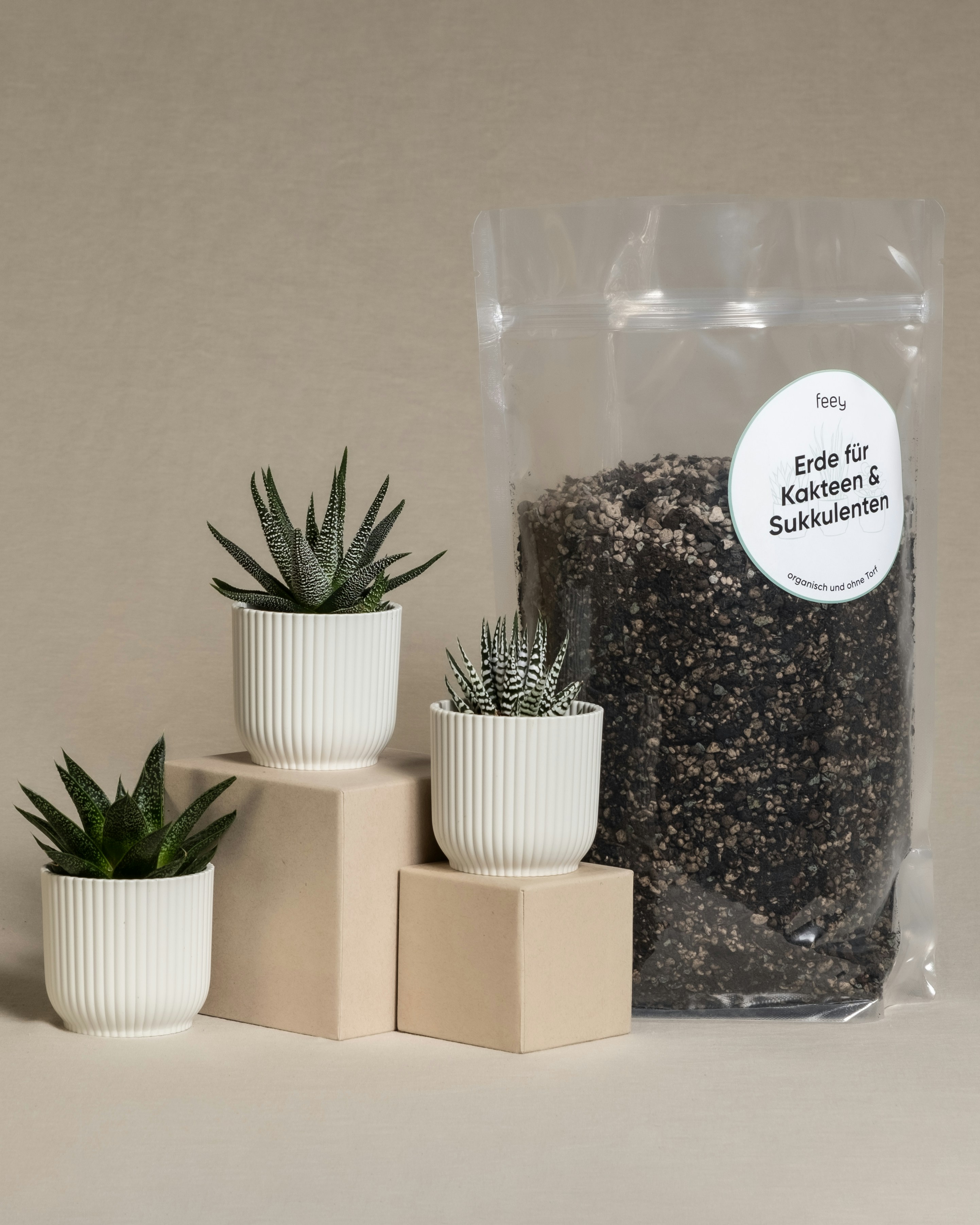
Understanding Cactus Soil Needs
Cactuses or cacti are unique plants that have adapted to thrive in arid environments, and this adaptation profoundly influences their soil requirements. Unlike many other houseplants, cactuses prefer a well-draining substrate that mimics their natural habitat. In the wild, cacti are often found in sandy or rocky soils, which allows excess water to flow away quickly, preventing root rot—a common issue linked to overly moist conditions.
Traditional potting soil tends to retain moisture due to its organic content, which can be detrimental for cactuses. A typical potting mix may contain peat, which is an excellent water-retentive material for many plants but not ideal for cacti. As a result, when growing cactuses, it is crucial to utilize a soil mix specifically designed to promote drainage. These custom blends typically incorporate ingredients such as sand, perlite, or pumice, which are effective in enhancing aeration and preventing water accumulation around the root system.
Nutrient requirements for cactuses are also distinctly different. In their native habitats, these plants endure sporadic rainfall and nutrient-poor conditions. Consequently, while cactuses do benefit from some nutrients, their need for high-fertility soil is minimal. Instead of relying on nutrient-rich potting mixes, a balance can be struck by using diluted fertilizers specifically formulated for cacti during their active growing season. Furthermore, understanding the ecological role of soil in a cactus’s growth offers insight into preparing a suitable soil mix tailored to their unique needs.
In summary, to foster healthy cactus growth, one must acknowledge their unique soil needs characterized by excellent drainage and minimal reliance on organic materials. This understanding will guide the process of creating an optimal soil environment that replicates the conditions of their natural habitats.
Essential Components of an Ideal Cactus Soil Mix
Creating the optimal soil mix for cactuses is paramount to their health and vitality. Cactuses, being native to arid regions, thrive best in well-draining substrates that prevent water retention. Therefore, the essential components of an ideal cactus soil mix include coarse sand, perlite, pumice, and organic matter, each serving a significant purpose.
Coarse sand is a fundamental ingredient that contributes to enhanced drainage. By incorporating coarse sand into the mix, excess water drains away quickly, preventing the risk of root rot. This component mimics the natural habitat of cactuses where sunlight and air circulation play a vital role in moisture evaporation. When combined with other ingredients, it forms a porous structure that allows cactuses to establish healthy root systems.
Perlite, a volcanic glass that is heated to create a lightweight, white aggregate, is another valuable addition to cactus soil. Its unique characteristics facilitate aeration and water retention without becoming saturated. This not only ensures that oxygen reaches the roots but also allows them to absorb the necessary moisture without becoming waterlogged. This balance is essential for promoting healthy growth in cactuses.
Pumice, similar to perlite, aids in aeration and drainage. Its porous nature captures air and moisture efficiently, offering stability to the soil structure. Pumice also provides trace minerals, benefiting the cactus by enhancing its nutrient uptake over time. Lastly, incorporating organic matter, such as compost or decomposed leaves, introduces essential nutrients that support cactus growth while slowly breaking down to improve soil structure. However, moderation is key to prevent excessive moisture retention.
In conclusion, crafting an ideal cactus soil mix involves a delicate balance of coarse sand, perlite, pumice, and organic matter. Each component plays a vital role in ensuring proper drainage, aeration, and nutrient availability, ultimately supporting the healthy development of cactuses.
DIY Cactus Soil Mix Recipes
Creating a suitable soil mix for your cactuses at home can be both enjoyable and rewarding. Different cactus species have unique needs, and formulating your own cactus soil mix allows you to tailor it precisely to these requirements. Below are several recipes for making effective soil mixtures, categorized by moisture preference.
For cactuses that thrive in drier conditions, a simple recipe involves mixing three parts of coarse sand or grit with one part of potting soil. This formulation promotes excellent drainage, essential for preventing root rot. Adding a handful of perlite or pumice enhances aeration further, improving the environment for root growth. This dry cactus soil mix is ideal for species such as the Echinopsis and Ferocactus, which prefer minimal moisture.
For cactuses that tolerate a bit more moisture, consider using a mix of two parts potting soil, two parts coarse sand, and one part organic compost. This recipe provides adequate drainage while still holding some moisture for species like the Mammillaria and Gymnocalycium. The organic compost offers essential nutrients, supporting the plant’s growth without overwhelming it with excessive moisture.
An advanced recipe for those who wish to maximize their cactus health includes equal parts of coconut coir, coarse sand, and pumice. Coconut coir is excellent for water retention, while pumice improves aeration. This balanced mix works well for various cactus types, including both drier and water-tolerant varieties. Using this method, the cactus can access moisture during the growing seasons while ensuring excess water drains away effectively.
Experimenting with these DIY cactus soil mix recipes will enable you to develop the perfect blend for your specific cactuses, fostering a thriving indoor garden. Ensuring that you understand the unique needs of each species will be crucial for their long-term health and vitality.
Choosing the Right Container for Cactuses
When cultivating cactuses, selecting the appropriate container is crucial for their overall health and growth. The characteristics of the pot can significantly influence the soil mix’s performance and the plant’s well-being. One of the most important aspects to consider is drainage. Cactuses require well-draining soil to prevent root rot, which can occur when moisture accumulates. Therefore, pots should have multiple drainage holes at the bottom to allow excess water to escape easily.
The material of the container also plays an integral role in regulating moisture levels. Common materials include terracotta, ceramic, and plastic. Terracotta pots are highly recommended for cactuses due to their porous nature, allowing for air exchange and moisture evaporation. This is particularly beneficial in preventing overwatering. However, they can dry out quickly, necessitating more frequent watering. Ceramic and plastic pots, while potentially retaining moisture longer, may require more attention to drainage solutions and soil mix designs to ensure optimal conditions for cactuses.
Pot size is another critical factor. A pot that is too large can hold excessive moisture, while a container that is too small may restrict root growth. As a guideline, select a pot that allows for room for cactus growth but is not overwhelmingly large in comparison to the plant, ideally allowing for one to two inches of space between the root ball and the pot’s sides. Additionally, utilizing proper potting techniques, such as layering drainage materials at the bottom and ensuring that the soil mix is amended for drainage, will enhance soil performance, promoting healthier cactuses.
When to Change or Refresh Your Cactus Soil Mix
Maintaining optimal soil conditions is crucial for the healthy growth of cactuses. As these plants thrive in well-drained, nutrient-rich environments, recognizing when to change or refresh your cactus soil mix is essential. Several signs may indicate that it is time to repot or refresh the soil.
One of the most prominent indicators is the presence of accumulated salts on the surface of the soil. Salt buildup can occur due to water evaporation and mineral deposits from fertilizers. If you notice a white crust forming, it may be time to consider changing the soil mix. Additionally, a decline in growth or yellowing leaves can be a sign that nutrients in the soil have become depleted, necessitating a refresh.
Another factor to evaluate is the soil’s texture and consistency. Over time, soil may compact, leading to reduced aeration and drainage, both of which are critical for cactus health. If you find that water is pooling on the surface rather than draining properly, it may be an indication that the soil is no longer suitable for your cactus. Regularly checking the moisture levels can also provide insights; if the soil remains consistently damp, it might be time to refresh or replace it.
As a general rule, cactus soil mixes should be changed every two to three years, although this can vary depending on the specific conditions of your growing environment. Factors such as exposure to light, watering frequency, and fertilization practices all play a role in your soil’s health. Additionally, during the growing season, consider adding fresh nutrients to the mix to ensure your cactus receives the necessary support for growth. By staying vigilant and responsive to these signs, you will promote a thriving environment for your cactuses.
Common Mistakes to Avoid When Mixing Cactus Soil
When it comes to crafting the perfect soil mix for cactuses, several common mistakes can hinder their growth and overall health. One prevalent error is the use of excessive organic matter. While organic components, such as peat moss, can provide essential nutrients, an overabundance can lead to overly dense soil, limiting aeration and drainage. Cacti thrive in arid environments, and their roots require well-draining substrates to prevent water retention that can cause root rot. Therefore, balancing the organic material with appropriate inorganic additives, such as perlite or coarse sand, is essential to achieve a well-draining soil mix.
Another frequent mistake is not ensuring adequate drainage. Cactuses are adapted to survive in dry conditions, and saturated soil can be detrimental. It is imperative to incorporate materials that facilitate drainage effectively. Adding materials like pumice or gravel can enhance soil aeration, allowing excess water to escape quickly. Additionally, ensuring that the potting containers have sufficient drainage holes is crucial to prevent water pooling at the bottom, which can create a hostile environment for cactus roots.
Furthermore, neglecting to condition the soil mix appropriately is a mistake many novice gardeners make. Each cactus species may have different soil needs; hence, understanding the specific requirements of the cacti in your collection is vital. Testing the soil mix’s texture, moisture retention, and nutrient availability can save you from costly plant failures. It is always advisable to start with a standard cactus soil formula and adjust based on your specific needs. Overall, by being aware of these common pitfalls and taking proactive measures to avoid them, you can create an optimal soil environment that supports healthy cactus growth and development.
The Role of pH Levels in Cactus Soil Health
Understanding the pH levels in cactus soil is crucial for supporting the health and growth of these resilient plants. Cactuses thrive in well-draining and aerated soil, but the pH level plays a significant role in nutrient availability, influencing how well the plants can absorb essential minerals. The ideal pH range for cactus soil typically lies between 6.0 and 7.5. Within this range, nutrients are more accessible, ensuring that the cactus can uptake the necessary elements for growth.
To determine the pH of your cactus soil, various methods can be employed. pH test strips and electronic pH meters are common tools that provide an accurate reading of the soil’s acidity or alkalinity. Alternatively, soil testing kits are widely available and allow home gardeners to monitor pH levels effectively. Regular testing can help in making informed adjustments to homemade soil mixes, ensuring they remain within the optimal range.
Adjusting pH levels can be achieved through the incorporation of specific materials. For instance, if the soil is too acidic, adding lime can help raise the pH. Conversely, if the soil is too alkaline, incorporating sulfur or organic materials can help lower the pH. It’s important to make these adjustments gradually to avoid shocking the plants. Maintaining the appropriate pH not only influences nutrient absorption but also contributes to the overall resilience and vigor of cactuses.
By understanding the role of pH levels in cactus soil health and monitoring it regularly, growers can ensure their cactus plants remain healthy and vibrant. Cactuses are hardy plants, yet they benefit immensely from balanced, well-maintained soil conditions that foster growth and longevity.
Maintaining Your Cactus Soil Mix: Tips for Longevity
Proper maintenance of your cactus soil mix is essential for promoting the optimal growth conditions for these resilient plants. Cactuses thrive in a well-draining substrate, which must be regularly assessed to ensure it continues to meet their needs over time. One of the primary considerations for maintaining your cactus soil is periodic amendment. After several months, the nutrients within the mix may deplete, necessitating the introduction of fresh amendments. A simple solution involves adding organic compost or a well-balanced fertilizer specifically designed for cactuses, which can replenish nutrients without over-saturating the soil.
Prevention of soil compaction is another critical factor that affects the longevity and health of your cactus soil mix. Compaction can occur due to watering practices or simply the weight of the soil over time. To counteract this, consider gently aerating the soil once a year, particularly during the growing season. You can use a chopstick or a similar instrument to break through the compacted areas, allowing air and moisture to penetrate more effectively.
Additionally, ensuring that your cactus soil maintains proper drainage is paramount for preventing root rot and other issues associated with moisture retention. To promote drainage, consider incorporating perlite or sand into your mixt, as these materials help create air pockets within the substrate. When watering your cactuses, be cautious not to overwater, allowing the mix to dry out completely between waterings. This balance of amendments, aeration, and careful watering will provide your cactuses with the ideal environment to flourish. Regularly monitoring the condition of your cactus soil and taking proactive measures will significantly contribute to the longevity and overall health of your plants.
FAQs About Cactus Soil Mixes
Cactus soil mixes are essential for promoting the health and vitality of these unique plants, yet various questions often arise regarding their use. One of the most frequently asked questions revolves around compatibility. Different species of cactuses have distinct requirements concerning soil composition. For instance, some cacti thrive in far drier conditions and prefer a mix that emphasizes excellent drainage, such as one comprising predominantly of sand and perlite. Conversely, species like the Easter cactus may benefit from a slightly richer substrate that retains a bit more moisture. Therefore, understanding the specific needs of your cactus species is crucial for achieving optimal growth.
Another common concern involves troubleshooting poor cactus growth, which can stem from several factors, including inadequate soil mixes. When cacti exhibit stunted growth or discoloration, it may signal that the soil retains too much moisture, leading to root rot. Alternatively, overly compact soil can impede the roots’ ability to access necessary nutrients. Adjusting the soil mix to ensure proper aeration and drainage can often rectify these issues. Regular monitoring of moisture levels is also vital, as it helps avoid the common pitfalls of overwatering, which is detrimental to cactus health.
Lastly, gardeners frequently inquire about additional soil additives that can enhance cactus health. Ingredients such as crushed granite or pumice are popular choices as they promote porosity and support drainage. Incorporating organic matter, such as compost, can also be beneficial when used sparingly, as it provides essential nutrients without retaining excessive moisture. In conclusion, understanding these aspects of cactus soil mixes will significantly aid enthusiasts in nurturing their plants more effectively.
Leave a Reply
You must be logged in to post a comment.