
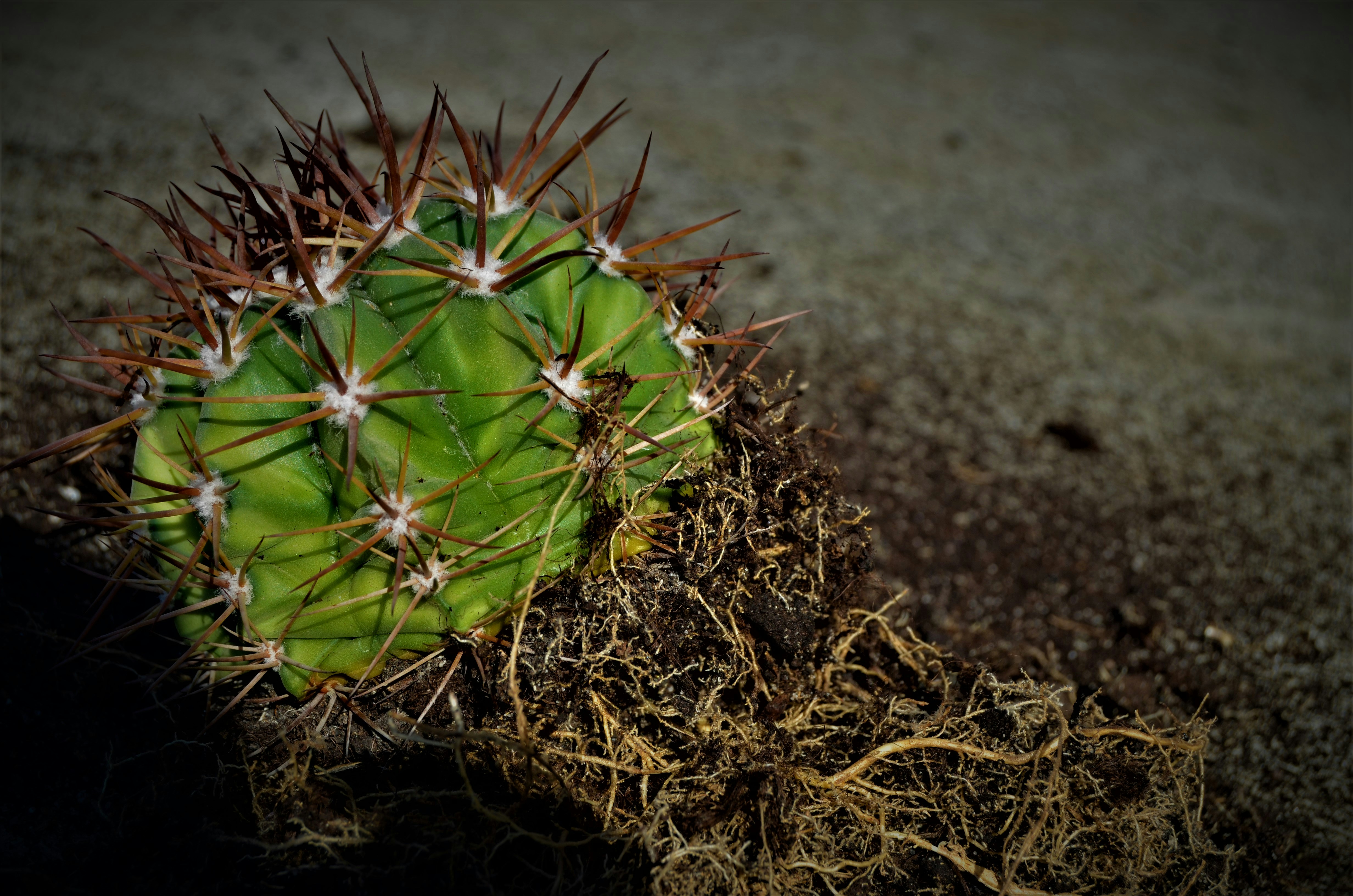
Understanding Cactus Plants
Cactus plants, belonging to the family Cactaceae, are a diverse group of succulents that have evolved in arid environments. These plants are characterized by their thick, fleshy tissues which store water, allowing them to survive in conditions that are inhospitable to many other types of flora. Cacti are adapted to endure prolonged periods of drought, a crucial trait that defines their unique care requirements compared to other houseplants or garden specimens.
There are approximately 2,000 species of cacti, showcasing a wide range of sizes, shapes, and colors. The most commonly recognized varieties include the towering Saguaro, the round barrel cactus, and the iconic Prickly Pear, each exhibiting distinct physical characteristics. Cacti typically feature spines, which are modified leaves, serving multiple purposes including protection from herbivores and shade from the sun. Additionally, some species develop colorful flowers that bloom under the right conditions, contributing to their ornamental appeal in various settings.
These remarkable plants are native to the Americas, with their natural habitats ranging from deserts to high mountain regions. Their ability to thrive in such extremes owes itself to various adaptations, including a waxy epidermis that reduces water loss, specialized photosynthesis that captures carbon dioxide efficiently, and a shallow root system that allows quick absorption of infrequent rainfalls. This intricate adaptation makes understanding the cactus plant essential, especially for those considering transplanting them, as improper handling during this process can lead to transplant shock.
In summary, the unique characteristics and environmental adaptations of cactus plants highlight the importance of implementing proper techniques during the transplanting process. Understanding their natural habitat and needs provides insight into how best to care for and nurture these resilient plants.
Signs That Your Cactus Needs Transplanting
Cacti are resilient plants, often thriving for years in their original containers. However, several signs may indicate that a cactus requires transplanting to ensure its continued health and growth. One of the most evident signs is root crowding. When observing the roots through the drainage holes at the bottom of the pot, if you notice roots emerging from these openings or if the roots seem to have taken up all the available soil, it might be time for a transplant. This condition not only limits the plant’s growth but can also lead to root rot if the roots are consistently wet.
Another critical indicator is stunted growth. If your cactus appears to have stopped growing despite favorable conditions—adequate light, water, and temperature—it is possible that it has outgrown its current pot. Stunting may occur because the plant does not have enough space for its roots to expand, which can adversely affect its overall vitality. Additionally, a cactus that exhibits discolored or wilting leaves may indicate nutrient deficiencies or poor soil quality, both of which can be remedied through timely transplanting.
Visual cues are also important to consider. If you notice that your cactus is becoming top-heavy and tipping over, or if the soil dries out too quickly, it could suggest that the plant is ready for a larger pot. Often, a cactus can exhibit signs of distress, such as browning or shriveling, if it is not receiving adequate nutrients or is suffering from root confinement. Monitoring these signs closely and responding promptly will help maintain your cactus’ health, ultimately ensuring a vibrant and thriving plant. Regularly assessing your cactus will aid in addressing any issues before they escalate into more severe challenges.
Preparing for Transplantation: Tools and Materials
Transplanting cactus plants requires careful preparation to ensure their health and vitality during the process. The selection of appropriate tools and materials is crucial to achieve a successful outcome. First and foremost, the choice of pot is fundamental. When selecting a pot, it is essential to choose one with adequate drainage holes to prevent water accumulation, which can lead to root rot. Terracotta pots are often recommended for cacti, as they allow for better aeration and moisture control compared to plastic alternatives.
Next, the soil type plays a significant role in the well-being of transplanted cacti. Cacti require well-draining soil that mimics their natural habitat. A commercially available cactus mix, or a combination of potting soil, sand, and perlite can be used to create an ideal growth medium. This blend ensures the soil maintains moisture without becoming overly saturated, which is vital for maintaining healthy root systems.
Gloves are also an important tool when transplanting cacti. Cactus spines can be sharp and potentially painful, therefore using gloves that provide adequate protection is advisable. Thick leather or heavy-duty fabric gloves will shield your hands from injury during the handling of these prickly plants.
Additionally, a trowel is an essential tool for digging and repositioning cacti with precision. A small garden trowel, preferably with a pointed tip, will facilitate the removal of the cactus from its original pot without causing undue stress to the roots. A pair of tweezers can be helpful as well for managing smaller plants or for adjusting difficult-to-reach areas of root systems.
By ensuring that these tools and materials are prepared and readily available, you can significantly reduce the risk of transplant shock and facilitate a smooth transition for your cactus plants. This thoughtful approach will ultimately contribute to their successful establishment in their new environment.
Step-by-Step Transplanting Procedure
Transplanting cactus plants is an intricate process that requires careful attention to detail to reduce the likelihood of transplant shock. Begin by gathering all necessary materials, including new pots, soil specifically formulated for cacti, and gardening gloves to ensure a safe handling of the plants. Start the process by selecting an appropriate time, ideally during the growing season, when the cactus is more likely to recover quickly.
First, gently remove the cactus from its current container. Take precautions to protect your hands, as the spines of the cactus can cause injury. Moving clockwise around the pot, tap the sides to loosen the soil. Once loosened, carefully tip the pot upside down, supporting the base of the cactus with one hand while allowing the soil to fall into your hand. Avoid pulling on the cactus itself to minimize root damage.
Next, examine the roots for any signs of rot or damage. Using sterilized pruning shears, trim any unhealthy roots, ensuring that you keep as much of the healthy root system intact as possible. This step is crucial, as healthy roots contribute significantly to the overall stability of the cactus in its new environment.
Prepare the new pot by filling it with a layer of well-draining cactus soil. Make a small depression in the center of the soil, allowing ample space for the roots to spread. Carefully position the cactus in the new pot, ensuring that the root ball is level with the top of the soil. Gently fill in the surrounding areas with more cactus soil, lightly tapping down to eliminate any air pockets while ensuring that the base of the cactus remains above the soil line to prevent rot.
Finally, water the newly transplanted cactus sparingly — too much water can lead to root rot. Allow the plant some time to acclimate to its new home before resuming a regular watering schedule. By following this systematic approach, the risk of transplant shock can be minimized, promoting a healthy transition for your cactus plant.
Avoiding Transplant Shock: Best Practices
Transplant shock is a common concern when relocating cactus plants, yet employing best practices can significantly minimize its effects. Timing plays a critical role; the ideal period for transplanting cacti is during their active growing season, typically in the spring or early summer. During this time, cacti are more resilient and better able to adapt to changes in their environment. Avoid transplanting during extreme temperatures, whether hot or cold, as this can exacerbate stress on the plant.
Watering practices are vital to facilitating a successful transition. It is essential to refrain from watering the cactus immediately after transplanting. This allows the plant’s roots to acclimate to their new surroundings without the added stress of excess moisture. Instead, wait for a week before lightly watering the cactus. Should the soil feel thoroughly dry a few inches beneath the surface, it may indicate that the plant needs hydration. It is crucial to ensure the new pot has adequate drainage to prevent root rot, a condition that can easily arise if the cactus is overwatered.
Environmental considerations also play a significant role in ensuring a cactus’s successful acclimatization. Gradually introducing the cactus to its new light conditions is recommended. If the cactus has been in a shaded environment, suddenly exposing it to direct sunlight can lead to sunburn and other stress-related issues. Instead, place the cactus in a location with indirect light for a few days before transitioning it to full sunlight. Maintaining stable temperatures and humidity levels further supports the cactus’s recovery from transplant shock. By implementing these techniques, gardeners can foster a smoother transition for their cactus plants, allowing them to thrive in their new settings.
Post-Transplant Care for Your Cactus
Once you have successfully transplanted your cactus, proper post-transplant care is crucial to ensure the plant adapts to its new environment and avoids transplant shock. The initial days and weeks after transplanting can determine the overall health and resilience of your cactus. One of the most important aspects of care during this period is the watering schedule.
After transplanting, it is advisable to postpone watering for about a week. This allows the roots to settle into the new soil and prevents oversaturation, which can lead to root rot—an affliction that can severely hinder recovery. Once the waiting period has elapsed, water moderately, ensuring that the soil is moist but not soggy. A well-draining soil mix is essential; therefore, monitor the moisture level before re-watering. For optimum growth, water your cactus deeply but infrequently, typically every two to three weeks during the growing season, depending on environmental conditions.
Sunlight exposure is another aspect to consider carefully. After transplanting, your cactus may require an adjustment period to acclimatize to its new light conditions. Gradually introduce the cactus to direct sunlight to avoid sunburn. Start with a few hours of indirect light per day, gradually increasing exposure over a week or two. This cautious approach allows your cactus to adapt without suffering from stress that can interfere with its recovery.
Feeding your cactus can also enhance recovery and growth. Wait at least a month post-transplant before applying any fertilizer, as the stress of moving can render the cactus sensitive to additional nutrients. When you do begin feeding, use a diluted, balanced cactus fertilizer to promote healthy growth. Monitor your cactus closely for signs of recovery, such as new growth, vibrant coloration, or improved overall appearance, as these indicate that your plant is adjusting well to its new home.
Common Mistakes to Avoid When Transplanting Cacti
Transplanting cacti can be a delicate process. To ensure the successful transition of these resilient plants, it is essential to avoid some common mistakes that many novice gardeners inadvertently make. Understanding these errors can significantly reduce the risk of transplant shock and promote healthy growth following transplantation.
One of the most frequent mistakes is choosing the wrong type of soil. Cacti require well-draining soil to thrive, as they are adapted to arid environments. Utilizing a heavy or compacted soil mix can lead to water retention, causing root rot and other issues. It is advisable to opt for a specialized cactus mix or create a blend of potting soil with sand or perlite to enhance drainage. Additionally, overwatering is another prevalent issue. Cacti are highly drought-resistant, and their roots can easily suffer from excess moisture. It is crucial to check soil moisture before watering and to err on the side of caution, particularly immediately after transplantation.
Moreover, many gardeners neglect to examine their cacti for pests prior to transplanting. Infestations can be exacerbated during the upheaval of transplanting, leading to increased stress on the plant. Regularly inspecting your cacti for pests such as spider mites or mealybugs will help mitigate potential problems and ensure a smoother transition. Another mistake often made is not acclimating the plant to its new environment. Cacti, like all plants, need time to adjust after being moved. Gradually introducing them to increased sunlight or changes in temperature can help lessen stress associated with transplanting. By being aware of these common errors, gardeners can take proactive steps to facilitate a successful transplant process and ultimately promote optimal health in their cactus plants.
Long-Term Cactus Health and Maintenance Tips
After successfully transplanting a cactus, ensuring its long-term health and vitality requires meticulous care and attention. One of the most critical factors in maintaining a cactus is understanding its specific needs regarding light, water, and temperature. Generally, cacti thrive in bright, indirect sunlight, which promotes healthy growth while helping to avoid sunburn. Positioning your cactus in a south-facing window or using supplemental grow lights during darker months can provide the necessary conditions for optimal development.
Watering is another essential aspect of cactus maintenance. It is imperative to adopt a schedule that reflects the plant’s needs, which are generally low compared to other houseplants. During the growing season, typically spring and summer, providing water every two to three weeks may be sufficient. Conversely, during the dormant months of fall and winter, reduce watering to once a month, ensuring that the soil dries completely between cycles to prevent root rot. Utilizing a soil mix specifically designed for cacti can further enhance drainage and fertility.
Regularly monitoring for pests and diseases is essential for safeguarding your cactus against potential threats. Common pests such as mealybugs and spider mites can be treated or prevented through various methods, including neem oil applications or insecticidal soap. Additionally, ensuring proper air circulation around your plant, along with avoiding overcrowding in pots, can drastically reduce the possibility of disease. Familiarizing yourself with the signs of stress or nutrient deficiencies in cacti, such as discoloration or stunted growth, allows for prompt intervention and care.
Creating an environment that mimics the cactus’s native habitat is vital for fostering long-term health. Ensuring the right conditions, combined with consistent monitoring and adaptive care practices, will promote robust growth and longevity in your cactus plants.
Conclusion: Embracing Your Gardening Journey
Transplanting cactus plants requires careful attention to detail and a thorough understanding of the methodologies involved to minimize the risk of transplant shock. As discussed throughout this guide, the principles of timing, proper soil selection, and adequate aftercare are crucial for ensuring a successful transition for your plants. The beauty of cacti lies not only in their resilience but also in their unique adaptations, which often attract passionate gardeners eager to nurture these fascinating specimens.
By following the outlined techniques—such as selecting the right season for transplanting, utilizing well-draining soil, and implementing gentle handling of the plant—you can set your cacti up for thriving growth in their new location. Moreover, maintaining consistent care, including monitoring watering schedules and light exposure, will further alleviate stress and promote healthy development.
Gardening is a journey filled with learning opportunities and challenges. Embracing this process transforms every setback, such as transplant shock, into a valuable lesson that enhances your knowledge and skills. Each successful transplant contributes to your confidence as a gardener, empowering you to experiment with various species and foster your personal green space.
We encourage our readers to share their personal experiences and insights regarding cactus transplantation. Whether you have had successes or faced hurdles, your stories can inspire and guide fellow enthusiasts seeking to deepen their understanding of these remarkable plants. Engaging with the gardening community not only expands your knowledge base but also cultivates a sense of camaraderie among those who share a passion for cacti. Therefore, as you continue to nurture your cacti and refine your transplanting techniques, remember to enjoy the journey and contribute to the collective wisdom of the gardening community.
Leave a Reply
You must be logged in to post a comment.