
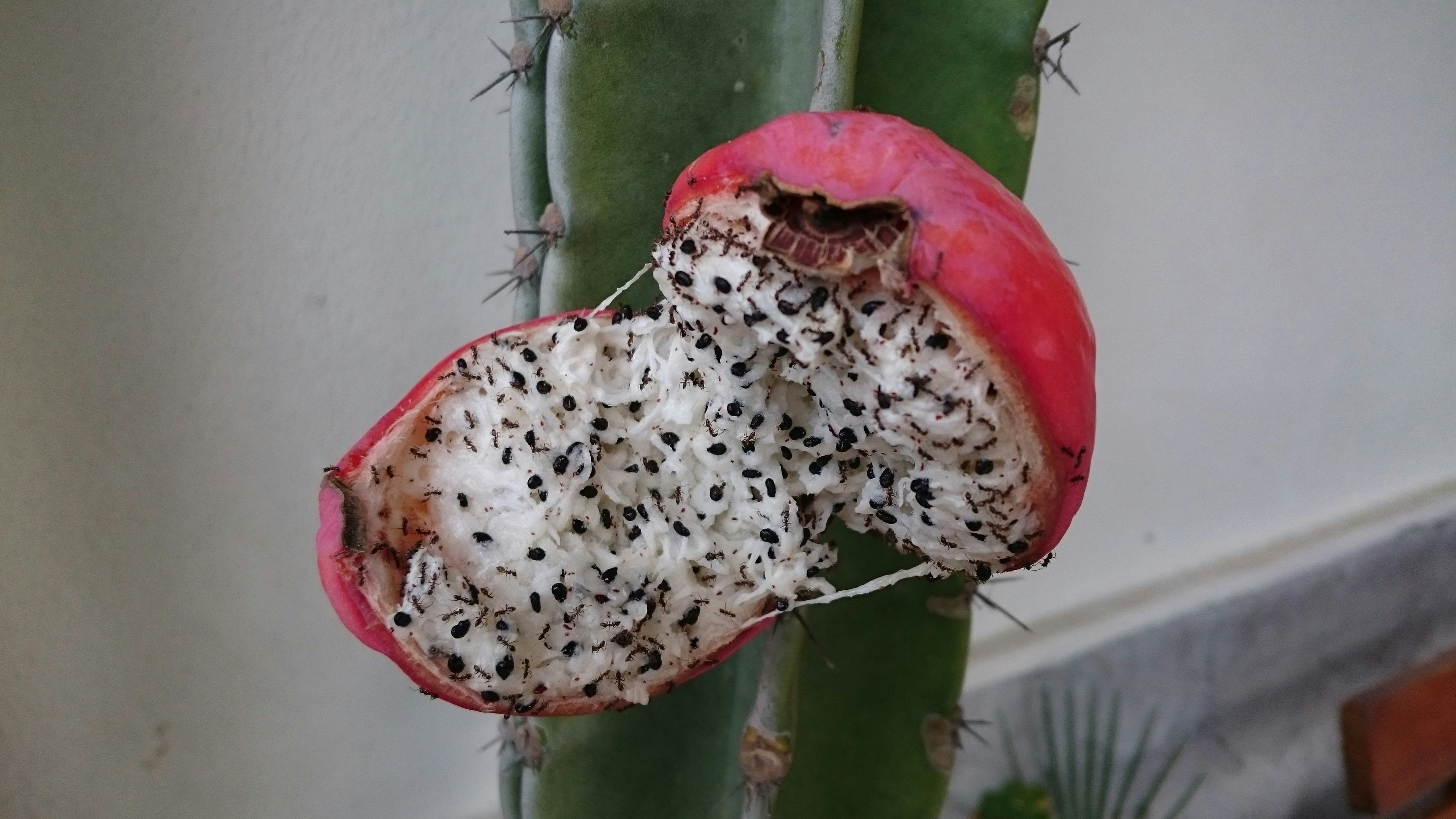
Introduction to Cactus and Its Nutritional Profile
Cactus, a resilient and diverse plant family commonly found in arid regions, has garnered attention for its nutritional and health benefits. Among the most notable varieties is the prickly pear (Opuntia), which is frequently utilized for dehydration and consumption in various forms, particularly cactus powder. This distinct powder is made from the dried pads or fruits of the cactus, providing a convenient way to incorporate the plant’s healthful properties into daily diets.
One of the primary advantages of consuming cactus is its impressive fiber content. Cactus contains both soluble and insoluble fiber, which aids in digestion and promotes a feeling of fullness, making it a valuable component of weight management strategies. Additionally, the fiber present in cactus can help regulate blood sugar levels and lower cholesterol, contributing to overall cardiovascular health.
Apart from fiber, cactus is rich in essential vitamins and minerals. It is a good source of vitamin C, which plays a crucial role in boosting the immune system and improving skin health. The presence of antioxidants, such as flavonoids, enhances the cactus’s ability to combat oxidative stress, reducing the risk of chronic diseases. Moreover, minerals like magnesium, potassium, and calcium found in cactus further contribute to its health benefits. Magnesium supports muscle and nerve function, potassium regulates blood pressure, and calcium is essential for bone health.
As the popularity of cactus powder grows, it is becoming a versatile ingredient in various culinary applications. From smoothies to baked goods, cactus powder can add not only nutritional value but also a unique flavor. The potential health benefits offered by dehydrated cactus make it a noteworthy addition to health-conscious diets, laying the groundwork for exploring its uses and advantages further.

The Dehydration Process: Turning Cactus into Powder
Dehydrating cactus to create powder is a meticulous process that begins with selecting the appropriate type of cactus. Not all cacti are suitable for this purpose; it is essential to choose varieties renowned for their nutritional value, flavor, and texture. Common choices include prickly pear and nopal (also known as paddle cactus), both rich in vitamins and minerals. Once selected, the cactus should be cleaned thoroughly to remove any dirt or debris, and the spines should be carefully removed to ensure safety and palatability.
Next, the cactus needs to be prepared for the dehydration process. This involves cutting the cactus into smaller pieces to expedite drying. Slices or cubes of around 1/4 inch thickness are advisable, as they allow moisture to escape more effectively. It is important to note that the preparation stage also includes blanching, which can help in retaining color and texture during dehydration while eliminating bacteria.
There are several methods available for dehydrating cactus: air drying, sun drying, and using a food dehydrator. Air drying is the simplest method, requiring a cool, well-ventilated area with low humidity. Conversely, sun drying necessitates direct sunlight for several hours and is only suitable in dry, hot climates. The most efficient and controlled option is using a dehydrator, which allows for consistent temperature and air circulation. This method usually takes between 6 to 12 hours, depending on the cactus thickness and moisture content.
After the cactus is entirely dried, it is essential to grind it into a fine powder using a high-quality blender or spice grinder. Ensuring that the cactus is completely dehydrated before grinding is crucial, as any remaining moisture can lead to spoilage in storage. To maintain optimal flavor and texture, store the cactus powder in an airtight container in a cool, dark place. Adhering to these steps will ensure a high-quality cactus powder that can be utilized for various culinary applications.
Health Benefits of Cactus Powder
Cactus powder, derived from the prickly pear cactus, has gained recognition in the health community for its notable health benefits. One of the primary attributes of cactus powder is its rich antioxidant content, which includes flavonoids and vitamins C and E. These powerful antioxidants combat oxidative stress in the body, thereby potentially reducing the risk of chronic diseases and promoting overall health. Scientific studies have shown that antioxidants play a crucial role in mitigating the damage caused by free radicals, supporting cellular health and longevity.
In addition to its antioxidant properties, cactus powder is thought to possess anti-inflammatory effects. Inflammation is a common underlying factor in numerous health conditions, including arthritis and cardiovascular diseases. Research indicates that regular consumption of cactus may help lower inflammatory markers in the body, contributing to improved overall well-being. This makes cactus powder a valuable addition for individuals striving to reduce inflammation in their diets.
Another significant benefit of cactus powder lies in its ability to assist in blood sugar regulation. Several studies suggest that the fiber and certain compounds found in cactus may help to stabilize blood glucose levels. This attribute is particularly advantageous for those managing conditions like diabetes, as it can aid in maintaining healthy insulin sensitivity and reduce spikes in blood sugar after meals.
Cactus powder is also known for promoting digestive health. Its high fiber content not only supports regular bowel movements but also fosters a healthy gut microbiome. This, in turn, may enhance nutrient absorption and overall digestive efficiency. Furthermore, consuming cactus powder can aid in hydration due to its high water content when consumed in prepared forms, making it an excellent natural supplement for those looking to enhance their fluid intake.
Incorporating cactus powder into the diet offers multiple health advantages supported by both scientific studies and traditional uses, making it a compelling addition for those interested in natural health solutions.
Cactus Powder in Cooking: How to Use It
Cactus powder, derived from the dehydrated cactus plant, has garnered attention in the culinary world due to its unique texture and nutritional profile. Incorporating cactus powder into your daily diet is both simple and rewarding. The recommended daily intake typically ranges from one to two tablespoons, which can be easily adjusted based on individual dietary needs and preferences.
One of the most popular ways to use cactus powder is in smoothies. Simply blend a tablespoon of cactus powder into your favorite fruit or vegetable smoothie for added fiber and nutrients. For a refreshing twist, consider mixing it with spinach, banana, and almond milk. The earthy flavor of cactus powder complements many ingredients, enhancing the overall taste and nutritional value of your drink.
Baking is another excellent avenue for using cactus powder. It can be added to recipes for muffins, pancakes, or bread. For example, substituting 10-20% of your flour with cactus powder in a pancake recipe not only increases its fiber content but also introduces a unique taste. It can also effectively retain moisture in baked goods, making them softer and more flavorful.
Cactus powder can also enrich soups and sauces. Stirring a tablespoon of cactus powder into a hearty vegetable soup or chili can provide added thickness and nutritional benefits without overpowering the dish’s original flavors. Additionally, it can be easily sprinkled over salads, stews, or grain bowls, adding both a nutritional punch and a subtle touch of cacti flavor.
For those eager to experiment in the kitchen, a simple cactus powder energy bite can be made by mixing 1 cup of oats, 2 tablespoons of cactus powder, 2 tablespoons of nut butter, and honey or agave syrup. Form into small balls and refrigerate for a nutritious snack. Cactus powder’s versatility in the kitchen makes it an excellent addition to diverse culinary creations.
Cactus Powder vs. Other Superfood Powders
As the superfood market continues to expand, it becomes essential to compare various options, such as cactus powder, spirulina, matcha, and acai. Each of these superfoods boasts a unique nutrient profile and an array of health benefits, which are crucial for consumers seeking to enhance their diets. Cactus powder, derived from the prickly pear cactus, stands out for its low calorie content while delivering impressive levels of vitamins and minerals, particularly magnesium, calcium, and antioxidants.
Spirulina, a blue-green algae, is recognized for its high protein content and is often consumed by those looking to boost their protein intake without animal products. Unlike cactus powder, spirulina is a significant source of omega-3 and omega-6 fatty acids, making it beneficial for heart health. However, the marine taste may not appeal to everyone, whereas cactus powder provides a milder, more versatile flavor profile suitable for various culinary applications.
Another contender in the superfood category is matcha, a powdered form of green tea. Matcha is celebrated for its rich antioxidant content and potential in promoting mental clarity and focus due to its caffeine and L-theanine levels. While both matcha and cactus powder offer health benefits, matcha may be more suitable for individuals looking for an energy boost, whereas cactus powder is an excellent choice for those pursuing hydration and digestive health through its fiber content.
Lastly, acai berries are widely acclaimed for their antioxidant properties. Although acai powder is often touted for its weight loss benefits, cactus powder provides a competitive edge by featuring a wider array of vitamins and hydration support. In conclusion, while each superfood powder presents its unique advantages, cactus powder distinguishes itself within the superfood arena by complementing various dietary needs, making it a valuable addition to health-conscious lifestyles.
Sourcing and Storing Cactus Powder
When seeking high-quality cactus powder, consumers can explore various avenues, including both brick-and-mortar health stores and online retailers. Health food stores typically carry a selection of cactus powder brands, allowing shoppers to compare options in person. Reputable chains and local shops specializing in organic products often prioritize quality and may provide information on sourcing and manufacturing practices, which can significantly enhance the purchasing experience.
For those opting to shop online, numerous websites offer an extensive range of cactus powders, often featuring customer reviews that provide insight into product quality and effectiveness. It is advisable to look for products that are organic and non-GMO, as these certifications tend to indicate higher standards in terms of sourcing and processing. Websites specializing in herbal supplements may also offer detailed descriptions and nutritional information, assisting consumers in making an informed choice. Additionally, buying in bulk can be a cost-effective way to obtain cactus powder, particularly for individuals or families interested in incorporating it as a regular component of their diets.
Once acquired, proper storage of cactus powder is essential to preserve its freshness and nutritional value. To maintain optimal quality, it should be kept in an airtight container to protect it from moisture and air, which can degrade its properties over time. Storing cactus powder in a cool, dark place, such as a pantry or cupboard, will further prevent exposure to heat and light, factors that may also contribute to nutrient loss. For extended shelf life, some individuals choose to refrigerate or even freeze their cactus powder, though it is crucial to ensure that the container is well-sealed to avoid condensation and moisture. In this manner, maintaining freshness and ensuring the continued health benefits of cactus powder becomes a straightforward task.
Possible Side Effects and Considerations
While cactus powder, derived from dehydrated cactus, offers a variety of health benefits, it is essential to be aware of potential side effects and considerations before incorporating it into your diet. One of the most commonly reported effects is digestive discomfort. Some individuals may experience gastrointestinal issues such as bloating, gas, or diarrhea, particularly when consuming cactus powder in large quantities or when first introducing it to their diet. Therefore, it is advisable to start with a small dosage and gradually increase it to assess personal tolerance.
Allergic reactions to cactus powder, although rare, can occur. Symptoms may include redness, itching, or swelling at the site of contact or ingestion. Individuals with known allergies to cacti or related plants are particularly at risk. It is crucial for anyone with a history of food allergies to exercise caution and consult with a healthcare professional prior to consuming cactus powder.
Special considerations should also be made for vulnerable groups, including pregnant women, nursing mothers, and individuals with pre-existing health conditions such as diabetes or gastrointestinal disorders. Pregnant women, in particular, should consult their healthcare provider before using cactus powder, as some studies suggest that it may affect uterine contractions. Furthermore, for those on medication, particularly blood sugar regulators, caution is warranted as cactus powder may enhance the effects of these drugs, leading to hypoglycemia.
In light of these potential side effects and considerations, it is clear that while cactus powder can be a beneficial addition to a balanced diet, health-conscious individuals should prioritize consulting with healthcare providers to ensure its safe use tailored to their unique health needs and conditions.
Testimonials and Success Stories
The incorporation of cactus powder into daily diets has led to transforming health journeys for many individuals, who eagerly share their testimonials. One such account comes from Sarah, a 34-year-old fitness enthusiast who struggled with regular energy levels. After introducing cactus powder into her smoothies, she noticed a remarkable boost in her vitality and endurance during workouts. Sarah reported feeling less fatigued and was able to maintain her exercise routine consistently, crediting the natural energy from cactus powder as a significant factor in her fitness progression.
Similarly, Mark, a 42-year-old father of three, decided to experiment with cactus powder as part of a family-oriented health initiative. By integrating cactus powder into pancake batter and various meals, he was pleasantly surprised by how well the family embraced the new ingredient. Mark found that not only did his family enjoy the recipes, but they also became more health-conscious, leading to improved dietary habits overall. He highlighted improvements in digestion and a notable reduction in mid-afternoon energy slumps, reinforcing the versatility and health benefits of cactus powder.
Julia, a nutritionist, shared how she incorporates cactus powder into her clients’ dietary plans. She cited changing the lives of her clients suffering from obesity and hypertension. Julia emphasized that cactus powder’s unique fiber content has assisted her clients in managing weight and balancing blood sugar levels effectively. By implementing simple cactus powder recipes, such as adding it to yogurt or salads, her clients reported feeling fuller for longer, which has significantly supported their weight loss goals.
These testimonials collectively underscore the potential health improvements and culinary creativity cactus powder can inspire in everyday diets. As readers consider integrating this remarkable ingredient, they may find encouragement and motivation through the experiences shared by others in their pursuit of a healthier lifestyle.
Conclusion
In summary, the exploration of dehydrated cactus, specifically cactus powder, reveals a myriad of health benefits and culinary applications that can significantly enhance a balanced diet. Cactus powder, rich in dietary fiber, antioxidants, vitamins, and minerals, serves as a versatile ingredient that contributes to overall well-being. Whether it is used to improve digestion, regulate blood sugar levels, or provide essential nutrients, the incorporation of cactus powder into daily meals may promote a healthier lifestyle.
Moreover, the adaptability of cactus powder in cooking and baking allows individuals to experiment with their cuisines effortlessly. From smoothies and soups to baked goods, the subtle, earthy flavor of cactus powder can add a nutritional boost to various dishes. By embracing its unique properties, consumers can create innovative, health-conscious meals that align with their dietary goals.
As many individuals seek sustainable alternatives in their diets, cactus powder stands out as an eco-friendly option with minimal environmental impact. Its production can support local economies while providing a plant-based ingredient that enhances health. The integration of cactus powder into one’s diet not only contributes to personal health but also promotes awareness of sustainable food sources.
Encouraging readers to explore the vast potential of cactus powder as part of their health routines, it becomes evident that this ingredient is deserving of attention. By incorporating cactus powder into everyday eating habits, individuals can embark on a journey towards improved health, delicious culinary experimentation, and sustainability. This commitment to healthier choices and versatile cooking can lead to a holistic approach to nutrition that benefits both the individual and the planet.
Leave a Reply
You must be logged in to post a comment.