
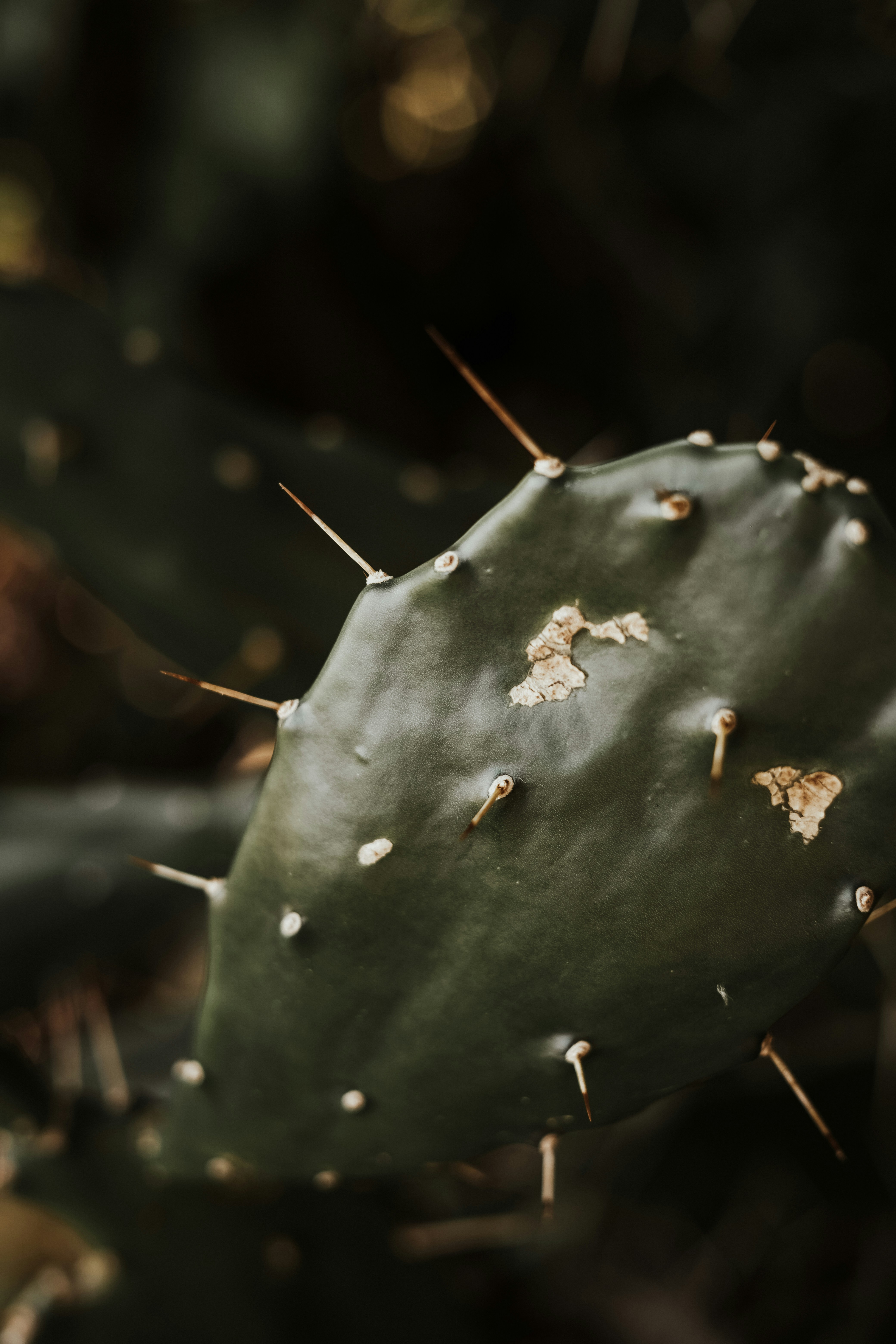
Introduction to Cactus Diseases
Cacti, known for their resilience in harsh environments, are not immune to a variety of diseases that can compromise their health. Understanding the types of diseases that can affect these distinctive plants is crucial for any cactus enthusiast or grower. Cactus diseases can be broadly categorized into four main types: fungal, bacterial, viral, and environmental disorders. Each type presents unique challenges and symptoms which, if not recognized early, can lead to irreversible damage or even death of the plant.
Fungal diseases, such as root rot and powdery mildew, are among the most common afflictions for cacti. Root rot typically occurs due to overwatering and poor drainage, manifesting through yellowing and wilting of the plant. On the other hand, powdery mildew can be identified by the characteristic white, powdery spots that form on the surface of the cactus. Bacterial infections, though less common, can lead to soft rot, where the plant tissue becomes mushy and discolored, indicating a severe issue.
Viral diseases are also a potential threat to cacti, often leading to disfigurement and stunted growth. Symptoms can include mottled or streaked appearance on the stems and reduced flowering capability. Environmental disorders, such as sunburn and nutrient deficiencies, can also mimic disease symptoms but are typically related to the growing conditions rather than pathogens.
Identifying these common symptoms early is vital in managing cactus health effectively. Timely recognition can facilitate appropriate care measures, potentially saving the plant from further decline. Regular monitoring and a good understanding of the specific needs of different cactus species can enhance early detection efforts, ultimately resulting in healthier, more resilient plants.
Common Cactus Diseases
Cacti, while noted for their resilience, are not immune to several diseases that can severely affect their health. Among the most common is root rot, often caused by overly moist conditions that favor the growth of pathogens. Symptoms include yellowing and wilting of the plant, along with a foul smell emanating from the roots. Root rot can spread through contaminated soil or tools, making it essential to ensure proper drainage and sanitation in care practices. Species such as the Opuntia and Echinopsis are particularly susceptible to this affliction.
Another prevalent issue among cacti is fungal infections, particularly those caused by the genera Fusarium and Botrytis. Early indicators of fungal infections include brown spots or patches, which can progress to a mushy texture and foul odor if untreated. These fungi often spread through water on the plant’s surface or via infected tools. Cacti like Gymnocalycium and Mammillaria may show vulnerability to these infections. Prevention involves ensuring good air circulation and avoiding overhead watering.
Additionally, viral diseases can impact cacti, with cucumber mosaic virus being among the most notorious. Symptoms can vary, but common signs include mottled or discolored leaves and stunted growth. Viral infections can persist in soils or be transmitted by aphids and other pests. Succulent varieties such as the Ferocactus may exhibit symptoms more prominently. To combat this, growers should regulate pest populations and remove affected plants promptly. Understanding these common cactus diseases and their prevention methods can greatly enhance plant health, ensuring cacti thrive despite the challenges they face in cultivation.
Preventative Measures
Maintaining the health of cacti involves adopting specific preventative measures to thwart the onset of diseases. Proper watering techniques are fundamental in this regard. Cacti, being desert-dwelling plants, require infrequent yet thorough watering. It is crucial to allow the soil to dry out completely between waterings. Overwatering can lead to root rot and fungal growth, both of which are detrimental to cactus health. Implementing a schedule that aligns with seasonal changes can help regulate watering frequency effectively.
Sunlight exposure is another critical factor that influences the well-being of cacti. These plants thrive in bright, indirect sunlight; however, certain species may require direct sunlight for several hours a day. When caring for cacti indoors, placing them near a south or west-facing window can maximize their exposure to sunlight while preventing scorch from intense heat. For outdoor cacti, a sheltered spot where they receive ample sun while being protected from excessive rainfall will facilitate optimal growth.
The choice of soil is paramount for ensuring good drainage and preventing water retention. A well-draining cactus mix, often comprised of materials like perlite, sand, and peat, offers the necessary aeration and drainage. Avoid using regular potting soil, as it tends to retain moisture, which is unsuitable for cacti. When potting, ensure that the container has drainage holes to allow excess water to escape.
In summary, practitioners should focus on adequate watering techniques, optimal sunlight exposure, soil selection, and proper potting practices. By implementing these preventative measures, the likelihood of diseases afflicting cacti significantly diminishes, promoting vigorous growth and longevity of these resilient plants.
Diagnosis of Cactus Diseases
Diagnosing cactus diseases is an essential step in maintaining the health of these unique plants. The first step in the diagnosis process involves assessing the overall health of the cactus by examining its growth patterns, appearance, and vigor. A healthy cactus typically exhibits robust growth, vibrant coloration, and firm texture. Any deviations from this can indicate potential issues that require further investigation.
Begin by inspecting the cactus for visible symptoms that may include discoloration, wilting, or unusual lesions. Common problems such as root rot or fungal infections often manifest as blackened areas, mushy textures, or a general decline in plant vitality. Notably, mealybugs and scale insects can cause physical damage and lead to secondary infections, underscoring the importance of a thorough examination. Regular monitoring and documentation of growth can aid in recognizing changes over time.
It is also important to consider the environmental factors that can affect cactus health. Cacti thrive in well-draining soil and require specific light and watering conditions. Overwatering, for instance, can lead to root rot, while inadequate light may result in etiolation, where the cactus becomes elongated and weak. Understanding these conditions and their consequences will further enhance the diagnostic process.
If symptoms persist despite following best care practices, or if the diagnosis is unclear, seeking professional advice from a horticulturist or a plant pathologist may be prudent. Experts can offer guidance tailored to the specific cactus species and the unique challenges presented by its environment. In summary, diagnosing cactus diseases involves a systematic assessment of the plant’s health, diligent observation of symptoms, and informed decision-making regarding expert intervention when necessary.
Treatment Options for Cactus Diseases
Cactus diseases can significantly impact the health and well-being of these unique plants. Properly addressing these issues involves various treatment strategies tailored to the specific type of disease affecting the cactus. It is crucial for any cactus owner to be well-informed about the treatment methods available.
Natural remedies often serve as the first line of defense against common cactus ailments. For instance, a mixture of water and neem oil can effectively combat many fungal infections while being gentle on the plant. When applied correctly, neem oil not only curtails the growth of pests like mealybugs but also works to control fungal pathogens. Additionally, a diluted solution of garlic or cinnamon can serve as an antifungal agent, ideally suited for minor infections.
Chemical treatments might be necessary for more severe infections. Fungicides and insecticides that are specifically labeled for cactus use can be excellent options. Carefully following the manufacturer’s instructions is essential to avoid damaging the plant. For instance, systemic insecticides can help in cases of infestation by root mealybugs or scale insects. These products are designed to be absorbed by the plant, providing internal protection from these pests.
In some cases, removing affected plants may be the most prudent course of action, especially when the disease is widespread or poses a threat to surrounding healthy cacti. It is advisable to assess the extent of the infection rigorously before making this decision. Proper sanitation practices, such as disinfecting tools and pots, can prevent the spread of diseases to other plants.
Ultimately, the treatment of cactus diseases requires careful observation and prompt action. Each treatment approach should be tailored to the specific type of disease and the individual needs of the cactus, ensuring the best outcomes for plant health and longevity.
Post-Treatment Care
Post-treatment care is a vital phase in the process of helping a cactus recover from disease. Once the indicated treatment has been administered, the emphasis should shift towards creating optimal conditions for healing and regrowth. Initially, it is essential to assess the extent of damage to the plant. This knowledge will guide further care and facilitate proper monitoring of its recovery progress.
A significant component of post-treatment care involves adjusting the environmental conditions surrounding the cactus. Providing adequate light, a stable temperature, and suitable humidity levels are crucial for promoting healthy regrowth. If the cactus was previously exposed to excessive sunlight, it may be wise to gradually reintroduce it to brighter conditions. This approach prevents further stress and supports the plant’s overall health. Moreover, ensuring that the plant is not overwatered during its recovery is essential. Maintaining a proper watering schedule tailored to the specific species of cactus can help to prevent root rot and other issues.
Additionally, continual monitoring for any signs of recurring disease or pests is fundamental. Early identification allows for prompt intervention, which can significantly improve the odds of successful recovery. Observing the cactus for new growth or other health indicators can provide insights into whether the plant is recovering adequately. If new growth appears, it is an encouraging sign that the cactus is responding well to treatment.
In summary, the post-treatment phase is crucial for cactus recovery. By adjusting environmental conditions, maintaining careful monitoring, and providing appropriate care, you can foster a supportive environment that aids the plant in overcoming the effects of disease. This thoughtful approach ensures the long-term health of your cactus, helping it thrive for years to come.
Selecting Disease-Resistant Cacti
Selecting disease-resistant cacti is crucial for ensuring the health and longevity of your plants. Numerous species thrive better than others in various climates and growing conditions, making informed choices important for both novice and experienced gardeners. When selecting cacti, consider the environmental variables that affect disease susceptibility.
Climate plays a significant role in the health of cacti, as different species have varying tolerances to temperature and humidity. For instance, cacti from arid regions like the Sonoran Desert often require low humidity and high sun exposure. These species, such as Carnegiea gigantea (Saguaro) and Opuntia (Prickly Pear), tend to be more resilient to root rot and fungal infections commonly associated with excessive moisture. Conversely, cacti from higher humidity environments may be more tolerant of damp conditions.
In addition to climate, soil quality and drainage are critical factors that influence cactus health. Disease-resistant cacti are typically adapted to well-draining soils that prevent waterlogged conditions. It is advisable to select varieties that naturally thrive in sandy or rocky substrates, such as Stenocereus (organ pipe cactus) or Echinocereus (hedgehog cactus), as these adaptations help resist soil-borne pathogens.
Specific varieties known for their robustness include the Mammillaria genus, which offers a range of species celebrated for their durability under adverse conditions. Furthermore, hybrids and cultivars like Gymnocalycium mihanovichii exhibit notable resistance to common diseases without sacrificing aesthetic appeal. By choosing from these resilient options, your cactus collection will not only flourish but also withstand potential diseases more effectively.
Frequently Asked Questions
As cactus enthusiasts, both new and seasoned owners often have similar queries regarding the management and care of their plants. This section addresses some of the most frequent questions about cactus diseases, focusing on prevention, treatment, and maintenance.
1. What are the common diseases that affect cacti?
Cacti can be susceptible to various diseases, including fungal infections such as damping off, bacterial rot, and pests like mealybugs and spider mites. Each disease often presents unique symptoms, allowing for different approaches to treatment.
2. How can I prevent diseases in my cacti?
Prevention is crucial in maintaining healthy cacti. Ensure proper watering techniques, as over-watering can lead to root rot while inadequate watering can weaken the plant. Additionally, providing adequate airflow and using sterilized soil can help minimize disease outbreaks.
3. What should I do if I notice signs of disease?
Upon noticing any symptoms, it is essential to act quickly. Isolate the affected cactus to prevent spreading potential infection. Remove any visibly affected parts, and consider treating the cactus with an appropriate fungicide or insecticide as needed. Handling the plant gently is paramount to avoid further stress.
4. How often should I check my cacti for diseases?
Regular inspections are key to maintaining the health of cacti. Examine your plants every few weeks, especially during their growing season, to catch any early signs of disease or pest infestation. Keeping a watchful eye will facilitate early intervention when problems arise.
5. Can I use general houseplant treatments on cacti?
While many houseplant treatments are effective, choosing products specifically formulated for succulents and cacti is advisable. These treatments account for the unique needs and tolerances of cacti, ensuring the health of your plants is preserved.
By addressing these common concerns, cactus owners can enhance their understanding and effectively manage potential diseases, ensuring a thriving and vibrant plant collection.
Conclusion and Final Tips
In summary, maintaining the health of cacti requires a committed approach to disease prevention and management. The discussion around various cactus diseases has highlighted how crucial it is to identify symptoms early, as timely intervention can significantly ameliorate the condition of affected plants. Cacti, while generally resilient, are not immune to a variety of diseases that can hamper their growth and stability, which underscores the importance of preventive measures.
A key takeaway is the necessity of regular inspections of your cacti to spot any emerging symptoms, such as discoloration, unusual texture, or signs of decay. By familiarizing yourself with common cactus diseases and their indicators, you empower yourself to act swiftly before issues escalate. Keeping your cacti in optimal environmental conditions, including appropriate light, temperature, and watering practices, enhances their overall health and fortifies them against potential threats.
Additionally, providing a sterile environment can reduce the risk of pathogen introduction, while ensuring proper air circulation can prevent moisture accumulation. When diseases do occur, recognizing them promptly and applying appropriate treatments—whether through chemical or organic methods—can make a substantial difference. Staying informed about the latest in cactus care, such as breakthroughs in research and recommendations from professionals, equips you with the tools necessary for sustainable cactus cultivation.
Adopting a proactive stance towards cactus health not only helps in early disease detection but also contributes to a vibrant, thriving collection of plants. By practicing diligence in care and remaining knowledgeable of cactus needs, you will enhance your gardening experience and develop a deeper connection with these unique flora.
Leave a Reply
You must be logged in to post a comment.