
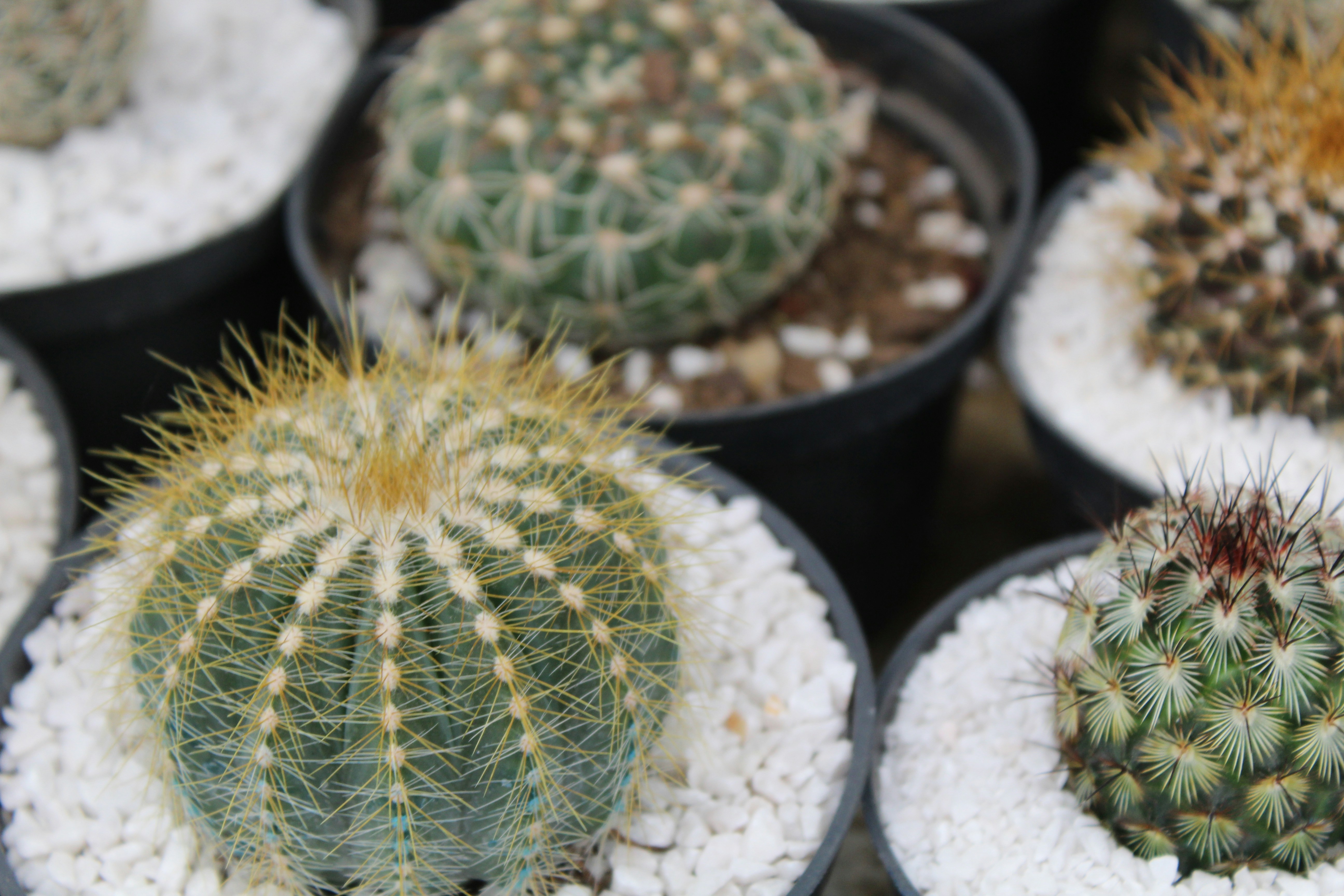
Introduction to Spineless Cacti
Spineless cacti, as the name suggests, are a category of cacti that lack the typical spines found on most members of the cactus family. These fascinating plants belong to various genera, including Opuntia and others, and have garnered significant attention among succulent enthusiasts and horticulturists alike. Their absence of sharp spines not only sets them apart from traditional cacti but also makes them a safer option for indoor gardening or landscaping, particularly in homes with children or pets.
One of the most appealing aspects of spineless cacti is their aesthetic versatility. They often exhibit striking forms, vibrant colors, and unusual growth patterns, which can enhance the visual appeal of any space. Without the intimidating spines, these plants can be integrated seamlessly into various home decor styles, making them a preferred choice for both novice and experienced gardeners. Their unique characteristics allow them to serve as eye-catching focal points on shelves, windowsills, or in outdoor arrangements.
Moreover, spineless cacti have gained popularity due to their low maintenance requirements. Like their spiky counterparts, spineless varieties thrive in arid conditions and require minimal watering—making them an ideal choice for individuals with busy lifestyles or those unfamiliar with plant care. They can adapt well to various light conditions, though they prefer bright, indirect sunlight. This resilience, coupled with their stunning visuals, positions spineless cacti as an attractive option for new plant owners who may be apprehensive about maintaining more delicate varieties of houseplants.
As the interest in sustainable gardening and indoor greenery grows, spineless cacti continue to capture the hearts and minds of plant enthusiasts around the globe. Their blend of beauty and functionality makes them a noteworthy addition to any collection.
Diverse Varieties of Spineless Cacti
Spineless cacti represent a fascinating category within the vast family of cacti. Known for their absence of spines, these plants offer an appealing option for both novice and seasoned gardeners. The most commonly recognized species is the Opuntia microdasys, frequently referred to as the Bunny Ear cactus. This popular variety is characterized by its pad-like structure resembling bunny ears, featuring small, tuft-like glochids instead of visible spines. Glochids can be quite irritating, so handling should be approached with caution. This plant thrives in bright light and well-draining soil, making it ideal for indoor settings and outdoor gardens in warmer climates.
Another notable spineless option is the Opuntia basilaris, known as the beaver tail cactus. This variety is distinguished by its flat pads and stunning pink to vibrant magenta flowers. The beaver tail cactus is relatively low-maintenance, requiring infrequent watering and benefiting from full sun exposure. Its drought tolerance makes it an excellent choice for xeriscaping, a landscaping philosophy that minimizes water consumption.
Moreover, the Stenocereus marginatus, or organ pipe cactus, deserves mention. This columnar cactus can grow to impressive heights and produces fragrant, white flowers that bloom only at night. Its unique growth habit adds structural interest to garden designs, perking up any landscape with height and elegance. Ideal growing conditions for this variety entail well-draining soil and plenty of sunlight.
Lastly, the Pereskia genus presents a lesser-known yet intriguing spineless cactus option. Unlike traditional cacti, Pereskia plants have leafy structures and can be cultivated as shrubs, diversifying the gardening experience. With multiple options available, there is a diverse assortment of spineless cacti for sale, suited to various aesthetic preferences and growing conditions.
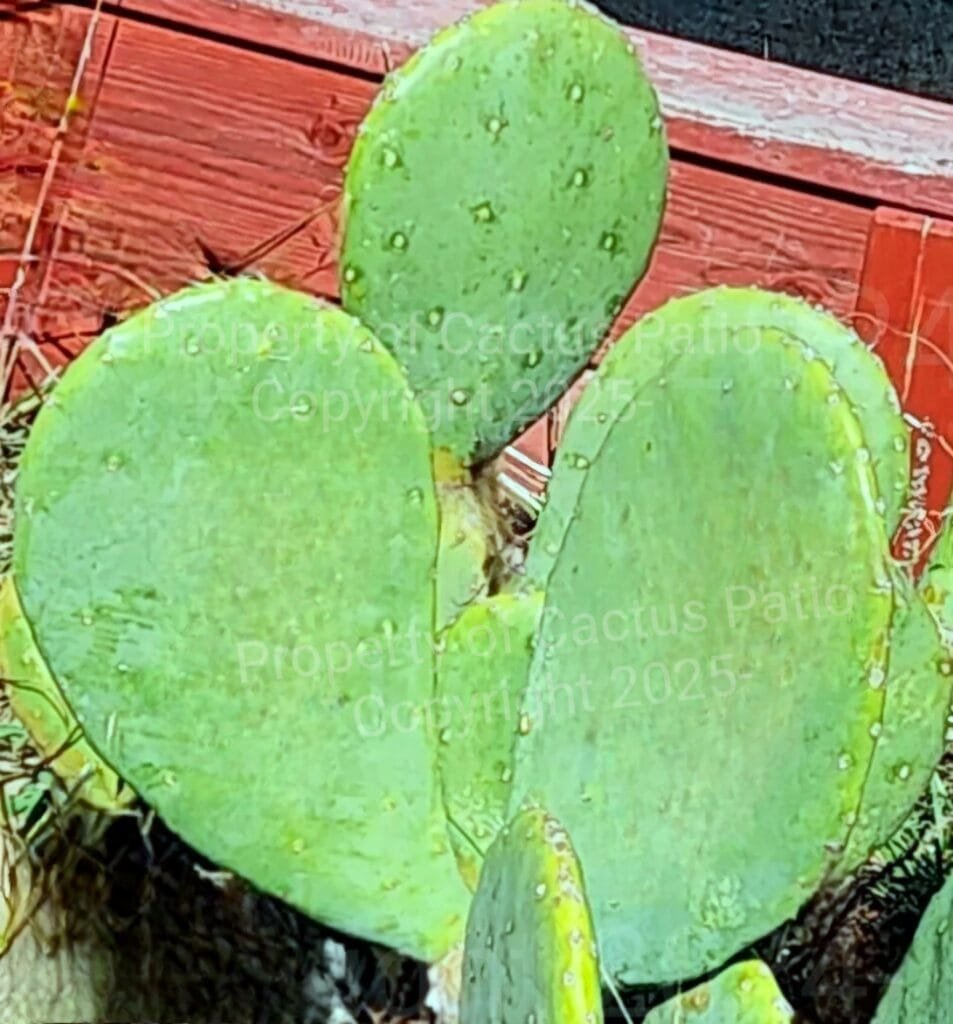
Why Choose Spineless Cactus Pads?
Looking for new ways to enhance your plant collections, one of the main reasons spineless cactus pads are sought after is their low maintenance requirements. Unlike traditional cacti, these pads do not have thorns, making them easier to handle and cultivate. Additionally, they’re drought-resistant and can thrive in arduous climates, requiring minimal water once established. This quality makes them ideal for xeriscaping projects or gardens focused on sustainability.
Uses and Benefits of Spineless Cactus Pads
Beyond their aesthetic appeal, spineless cactus pads are also edible and nutritious. Rich in vitamins and minerals, they can be used in a variety of dishes or enjoyed raw. Moreover, these pads can serve as an excellent source of forage for certain livestock, making them a practical addition to agricultural settings. For those interested in unique gardening options, spineless cactus pads for sale provide a sustainable and beneficial choice.
The Benefits of Growing Spineless Cacti
Spineless cacti, known for their unique appearance and minimal maintenance requirements, offer numerous advantages for both novice and experienced gardeners. One of the primary benefits of cultivating spineless cacti is their remarkable resilience to drought. These desert plants have adapted to thrive in arid climates, making them an exceptional choice for individuals living in areas with limited rainfall. By cultivating spineless cacti, gardeners can contribute to water conservation efforts, alleviating the demand on local water resources.
In addition to their drought tolerance, spineless cacti are easy to care for, which is a significant advantage for those new to gardening or those with busy lifestyles. These plants require minimal watering, typically thriving on a sparse irrigation schedule. They can flourish in a variety of soil types, provided they drain well, which further simplifies the growing process. This resilience makes spineless cacti suitable for both indoor and outdoor environments, allowing them to adapt seamlessly to various settings.
Beyond their aesthetic appeal and low maintenance needs, spineless cacti also offer environmental benefits. They engage in a process known as photosynthesis during the night, which enhances air quality and assists in purification. As they absorb carbon dioxide and release oxygen, these plants contribute positively to indoor and outdoor air environments. This air-purifying quality makes them a valuable addition to homes, offices, and public spaces, particularly in urban settings where air pollution may be a concern.
Furthermore, spineless cacti possess minimal ecological impact, requiring considerably less water compared to traditional plants. Their cultivation is ideal for those aiming to minimize their ecological footprint while still enjoying the beauty of greenery. Overall, growing spineless cacti presents a range of advantages that not only enrich one’s immediate environment but also promote sustainable practices.
Care Tips for Spineless Cacti
Maintaining spineless cacti, known for their unique appearance and adaptability, requires specific care practices to thrive. Understanding these needs is essential for any enthusiast looking to cultivate a collection of these fascinating plants.
Firstly, watering is a critical aspect of caring for spineless cacti. Unlike traditional cacti, which may have spines that indicate their need for limited hydration, spineless varieties require a slightly more attentive approach. Water these plants thoroughly, allowing excess moisture to drain away, and refrain from watering again until the soil is completely dry. This typically means watering every two to three weeks, depending on the humidity of your environment.
Lighting conditions are equally important. Spineless cacti prefer bright, indirect sunlight. Placing them in a location where they receive some direct morning sunlight, but are shielded from the harsh midday rays, will ensure optimal growth. If you notice your cactus stretching or developing weak stems, it may be a sign that it is not receiving enough light.
When it comes to soil, a well-draining mix is essential. A combination of cactus soil and sand can provide the ideal conditions to prevent root rot, which is a common issue among succulent plants. Additionally, fertilizing spineless cacti can help promote vibrant growth. A diluted cactus fertilizer or a balanced water-soluble fertilizer applied during the growing season, generally from spring to early summer, will support healthy development.
Regularly monitoring for pests, such as mealybugs or spider mites, is also recommended. If you spot any pests, acting promptly with insecticidal soap or neem oil can help mitigate the problem. By adhering to these care tips, you’ll foster a thriving environment for your spineless cactus collection.
Decorative Ideas with Spineless Cacti
Spineless cacti, also known as “peaceful” cacti due to their lack of spines, offer a unique and striking addition to both home and garden decor. Their distinctive shapes and textures can serve as focal points in any arrangement, adding a serene yet modern touch to interior and exterior spaces. Consider using larger varieties of spineless cacti as statement pieces in minimalist settings, where their sculptural forms can be showcased against simple backdrops. Placing them in natural light near windows can further enhance their visual appeal while benefiting their growth.
Themed displays are another creative avenue for using spineless cacti. For instance, a desert-themed arrangement can be created by using various sizes of these cacti, complemented by decorative sand, rocks, and driftwood. This not only highlights the natural beauty of the spineless cacti but also allows for a cohesive aesthetic. You can experiment with color and texture by pairing them with vibrant ceramics or muted wooden planters, leading to an engaging visual contrast while maintaining a harmonious look.
Moreover, utilizing unique pots or containers can significantly elevate the presentation of spineless cacti. Choose pots in unexpected materials, such as metallic finishes or matte ceramics, to create a modern feel. Hanging planters are also gaining popularity, allowing spineless cacti to be suspended at various heights, thus maximizing space and providing added interest in the arrangement. Integrating spineless cacti into vertical gardens can also enhance smaller spaces, bringing greenery upwards and creating a lush atmosphere without occupying valuable floor space.
This versatility of spineless cacti makes them suitable for various design aesthetics, from contemporary to rustic, providing endless opportunities for customization. Their low-maintenance nature also contributes to their popularity among both novice and experienced plant enthusiasts, ensuring one can enjoy the beauty of these unique plants with minimal effort.
Where to Buy Quality Spineless Cacti
For enthusiasts looking to add spineless cacti to their collection, sourcing quality specimens is essential to ensure healthy growth and longevity. One of the most convenient options available today is online retailers, which often provide a wide selection of spineless cacti. Websites such as Amazon, Etsy, and specific plant-focused e-commerce platforms typically feature a variety of species with detailed descriptions and customer reviews. This can help buyers gauge the quality of plants offered. Additionally, opt for sellers who provide clear photographs and cultivation details, ensuring transparency in their offerings.
Local nurseries also present an excellent avenue for acquiring spineless cacti. These establishments often stock a curated selection of plants that are acclimatized to the local environment. Visiting a nursery allows potential buyers to inspect the specimens closely, checking for signs of health such as vibrant color, healthy growth, and absence of pests or diseases. Engaging with the staff can also provide valuable insights into care recommendations, which is particularly beneficial for novice plant owners.
Specialty plant shops are another great option for discovering spineless cacti, as they typically focus on unique and niche plant varieties. These shops often pride themselves on offering healthy, well-cared-for plants that have been cultivated with attention to detail. When purchasing from these retailers, look for those that share information about their sourcing practices and cultivation methods, ensuring that you are investing in ethically sourced flora.
Ultimately, whether sourcing online or supporting local businesses, it is vital to prioritize the health of the plants. Make sure to check for reputable suppliers that guarantee quality and provide care instructions. By following these tips, enthusiasts can confidently purchase spineless cacti that will thrive in their collections.
Customer Testimonials and Experiences
Spineless cacti have gained popularity among plant enthusiasts, and many customers have willingly shared their experiences after incorporating these unique plants into their homes and gardens. One customer, Sarah M., expressed her delight with her first spineless cactus purchase, stating that its unusual appearance quickly became a conversation starter among her guests. “I love how unique my spineless cactus is; it stands out without any spines,” she remarked. This perspective underscores the aesthetic appeal that these non-spiny varieties bring to interior decor.
Another customer, James T., shared a practical viewpoint regarding the care of spineless cacti. He mentioned that he initially feared the maintenance required for cacti would be daunting, but to his surprise, these varieties are low-maintenance. “I was pleased to discover how easy they are to care for. They thrive in my sunny windowsill and require very little watering,” he noted. This aligns with the experiences of many other customers who appreciate the resilience and hardiness that spineless cacti offer, making them suitable for both novice and experienced gardeners alike.
Additionally, customer testimonials reveal emotional connections to spineless cacti. Lisa R. described how caring for her spineless cactus has provided her with a sense of accomplishment. “Watching it grow has become a wonderful hobby for me. I take pride in nurturing it and have even started sharing cuttings with friends,” she explained. Such connections underscore the broader appeal of these plants as not just decorative items, but as sources of joy and personal fulfillment.
These testimonials highlight the satisfaction and pride that come from cultivating spineless cacti, serving as social proof for potential buyers. The stories of real customers resonate with many, illustrating how these unique plants can enhance both living spaces and experiences.
Frequently Asked Questions about Spineless Cacti
Spineless cacti are increasingly popular among plant enthusiasts, offering unique aesthetics without the fear of injury from spines. Potential buyers often have several questions regarding the care and compatibility of these plants. One common concern is their hardiness. Spineless cacti, like the well-known Opuntia (commonly known as prickly pear), tend to be quite resilient and can thrive in a variety of environments. However, it is essential to consider the specific species, as some may require more care than others, particularly in colder climates.
Another frequent inquiry pertains to their compatibility with other plants in a shared environment. Spineless cacti prefer well-draining soil and should be grouped with similarly low-maintenance plants to ensure optimal growth. For example, succulents and other drought-tolerant species make excellent companions, as they share similar watering and light requirements. Avoid placing them alongside high-water-needing plants, which could lead to root rot and other issues.
Propagation is also a significant topic of interest. Spineless cacti can be propagated through different methods, including offsets, cuttings, or seeds. Offsets are small side shoots that can be cut from the main plant and replanted. This method is often the easiest and most successful. Additionally, when propagating from cuttings, it is essential to allow the cut end to dry and form a callous before placing it in soil.
Lastly, potential buyers should inquire about the care and maintenance required for spineless cacti. These plants thrive in bright, indirect sunlight and should be watered sparingly, allowing the soil to dry completely between waterings. By understanding these key factors, enthusiasts can enjoy the beauty of spineless cacti, creating a stunning and low-maintenance indoor or outdoor display.
Conclusion and Call to Action
In conclusion, spineless cacti present a unique and captivating addition to any plant collection. Their remarkable aesthetic appeal, characterized by striking forms and vibrant colors, allows them to stand out in both indoor and outdoor settings. These plants are not only visually captivating but also remarkably low-maintenance, making them a suitable choice for both novice and experienced gardeners alike.
Throughout this blog post, we have highlighted the various attributes of spineless cacti, including their resilience to harsh environmental conditions and minimal water requirements. Their adaptability allows these plants to thrive in diverse habitats, further emphasizing their value as houseplants or garden specimens. Furthermore, the absence of spines makes them safe options for households with children or pets, allowing for a worry-free gardening experience.
We encourage you to consider adding spineless cacti to your plant collection, whether you are seeking a low-maintenance addition to brighten your home or a distinctive highlight for your garden. With an array of varieties available, there is a spineless cactus suitable for every aesthetic and space. We invite you to explore the various options for purchasing these remarkable plants, whether through local nurseries, online retailers, or specialty plant shops. Discover the beauty and ease of care that spineless cacti have to offer, and enhance your living space with these fascinating succulents. Start your journey into the world of spineless cacti today and let their beauty inspire you to create a serene and inviting environment.
Leave a Reply
You must be logged in to post a comment.